

I didn’t think about fiber. Ever. Not once in probably thirty years of eating. It was one of those words on the side of a cereal box I’d skim past on my way to checking the sugar content, which, let’s be honest, was usually the actual deciding factor in whether I bought it.
Then I had a stretch — a bad few months, honestly — where I felt bloated basically all the time, sluggish after eating, and just generally off in a way I couldn’t pin down. My doctor, during a totally unrelated checkup, asked what a normal day of eating looked like for me. I listed it out. She didn’t say much, just kind of raised an eyebrow and asked, “Where’s your fiber?” I genuinely didn’t have an answer.
That conversation is basically the whole reason this article exists. Here’s what I actually added, what happened when I added too much too fast (rookie mistake, very unpleasant), and what stuck around months later versus what quietly disappeared from my kitchen. This is my honest, unfiltered list of High Fiber Foods that actually made it into my regular rotation, not just a list I read somewhere and never touched.
I want to say upfront that I’m not a nutritionist and this isn’t a clinical plan — it’s just what one person actually did after getting called out, gently, by her doctor. Your body, your starting point, and what you need might look completely different.
I Didn’t Even Know What Counted As High Fiber
This is embarrassing but true: before that appointment, if you’d asked me to name a high-fiber food, I probably would’ve said “bran” and stopped there. I had no idea beans were a fiber powerhouse. No idea raspberries had more fiber than I expected. No idea that the skin of a potato was doing more work than the inside.
So the first week wasn’t really about eating differently. It was about googling things at 11 pm like “is broccoli high in fiber” and being mildly stunned by the answer (yes, quite). Need healthy snack ideas? Explore these practical options for people who want to be more mindful of blood sugar.
What I Actually Started Eating
Not a curated list. Just what ended up in my cart and, more importantly, what I actually finished before it went bad in the fridge.
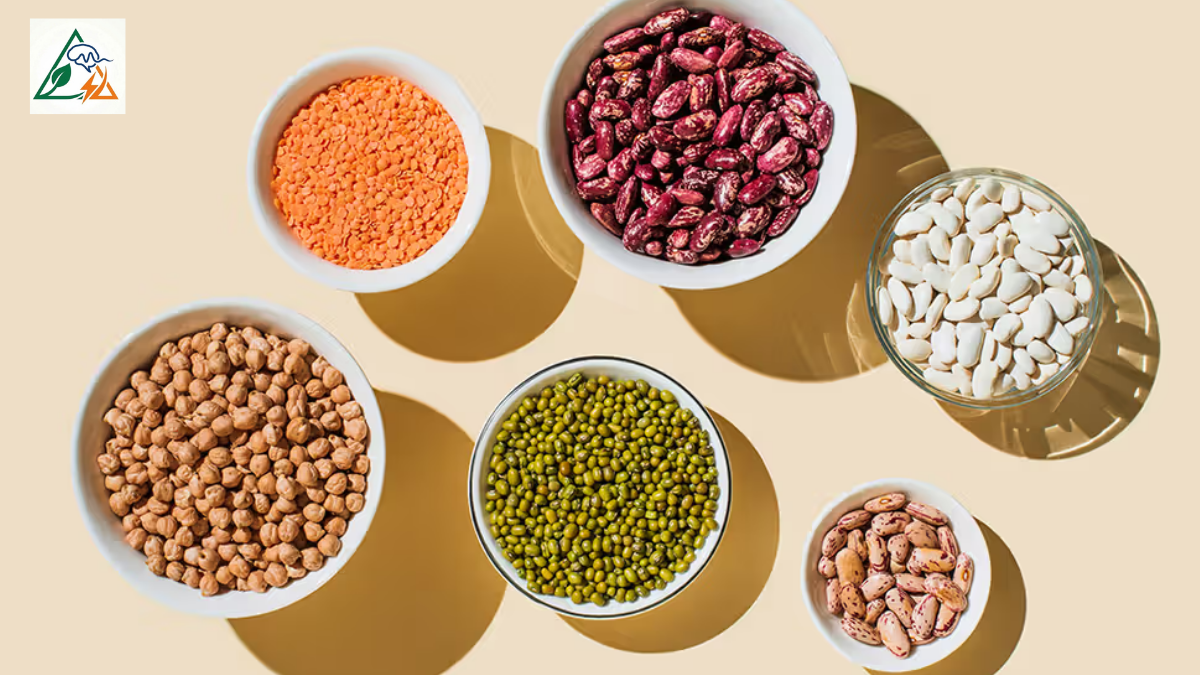
Beans, which I’d basically never cooked with before. Black beans in scrambled eggs. Chickpeas roasted with olive oil and whatever spices were in the cabinet, eaten by the handful like chips, which probably wasn’t the intended use but worked great. Canned lentils stirred into jarred pasta sauce because homemade lentils intimidated me for way longer than they should have.
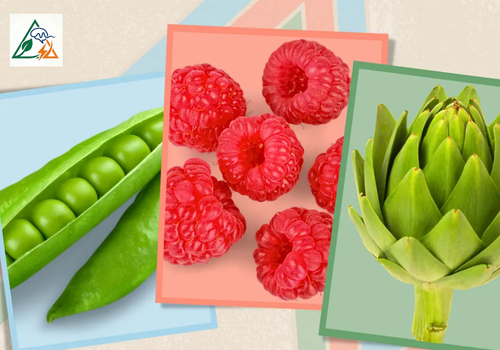
Raspberries, because the fiber-per-calorie thing genuinely surprised me. I started buying them regularly, ate them plain or on top of the Greek yogurt I was already having some mornings. More expensive than I expected, especially out of season, so this one became a “when they’re on sale” habit rather than a daily thing.
Oats, but not the flavored packets I grew up eating that are mostly sugar. Plain rolled oats, made overnight with milk and chia seeds, topped with whatever fruit I had around. Took a few tries to get a texture I actually liked — my first attempt was basically wet cement.
Whole wheat everything, slowly. Swapped white bread for whole wheat, which honestly took some getting used to, and I won’t pretend otherwise — it’s denser, chewier, not as instantly satisfying. Same with pasta. I didn’t love whole wheat pasta the first few times. Kept trying different brands until I found one that didn’t taste like cardboard.
Broccoli and Brussels sprouts, roasted, constantly. These became my go-to vegetable side because roasting them with olive oil and salt made them actually taste good, not like the sad steamed versions I grew up being forced to eat. I probably ate roasted Brussels sprouts four nights a week for a solid month straight.
Avocado, though I was already eating this one, just didn’t know it counted. Found out avocados have a decent amount of fiber and felt a little smug that I’d apparently been doing something right by accident.
Chia seeds and flaxseed, sprinkled into things. Chia in the overnight oats, ground flaxseed stirred into smoothies. Barely noticeable in terms of taste, which made this one of the easiest additions on the whole list.
Popcorn, air-popped, which surprised me. I didn’t expect a snack food to make this list, but plain air-popped popcorn turned out to be a legitimately high-fiber option, and swapping it in for chips on movie nights felt like the easiest win of the entire process.
The Mistake That Wrecked Two Days
I need to be honest about this part because nobody warned me, and I wish they had. I went from basically zero fiber to a lot of fiber in about four days flat, all at once — beans, oats, broccoli, whole wheat everything, all piled on simultaneously because I got excited and impatient.
My stomach did not handle that well. Bloating, discomfort, a level of gas I will not describe in further detail, and honestly two days where I regretted the entire project. I remember standing in my kitchen thinking, is this actually supposed to make me feel worse before better, or did I just do this completely wrong?
Turns out: completely wrong. I hadn’t been drinking nearly enough water to go along with the increased fiber, and I’d increased way too fast instead of gradually. Once I looked into it (after the fact, which tells you everything about how I approach most things), the advice is to add fiber slowly over a couple of weeks and drink noticeably more water than you’re used to. I backed off, added things one at a time instead of all at once, and the second attempt went a lot better.
According to Mayo Clinic, increasing fiber gradually and staying well hydrated are the two biggest factors in avoiding bloating and gas when changing your diet — which is exactly what I’d skipped the first time around.
What Actually Stuck Around Months Later
Not everything survived past the initial enthusiasm phase, and I think that’s worth being honest about too.
- Beans stuck. Genuinely surprised myself with this one — I now keep canned black beans and chickpeas stocked at all times, and they’ve become a real staple rather than a phase.
- Roasted broccoli and Brussels sprouts stuck, mostly because I actually like eating them now, which past-me would not have believed.
- Overnight oats stuck on weekdays specifically, for the same reason my high-protein breakfast stuff stuck — zero morning effort required.
- Raspberries did not stick, if I’m honest. Too expensive most of the year, and I just stopped restocking them by month two. No dramatic reason, just grocery budget reality.
- Whole wheat pasta is maybe fifty-fifty at this point. Some nights I want it, some nights I genuinely just want regular pasta and don’t feel like negotiating with myself about it.
What My Family Thought
My husband was suspicious of the bean-heavy scrambled eggs for about a week before admitting he liked them. My kid, predictably, rejected Brussels sprouts on sight without tasting them, the way kids do, though weirdly got into the roasted broccoli once I started calling them “little trees,” which is a level of manipulation I’m not proud of but will absolutely keep using.
My sister asked if I was “doing a cleanse” when she saw the beans and oats situation happening in my kitchen, and I had to explain: no, this isn’t a cleanse; my doctor just asked an uncomfortable question at an appointment, and I’m still recovering from it emotionally.
What Actually Changed
The bloating I’d been dealing with for months got noticeably better, and it happened faster than I expected — within maybe two and a half weeks once I’d fixed my initial too-much-too-fast mistake. That was honestly the main thing I was hoping for, so I counted it as a win pretty quickly.
Energy felt steadier too, though I want to be careful here because I also changed other things around the same time (the breakfast protein habit was already in motion), so I can’t say with total confidence how much was fiber specifically versus everything happening together.
I didn’t lose a dramatic amount of weight from this alone, and I don’t think that’s really what fiber does on its own anyway — it’s more that feeling fuller for longer meant I wasn’t snacking as much between meals, which probably mattered more than the fiber itself in any direct sense.
What This Actually Cost
Beans were absurdly cheap, which honestly made the whole thing feel less intimidating from the start — a can of black beans is still under a couple of dollars most places I’ve shopped. Oats, same story, cheap in bulk. Where it got pricier was the produce side — raspberries especially, and Brussels sprouts aren’t exactly bargain vegetables depending on the season either.
What helped was leaning harder on the cheap staples (beans, oats, broccoli when it was in season) and treating the pricier stuff like raspberries as an occasional add-on rather than a daily requirement. I didn’t need every single item on some ideal list to get the benefit — the boring cheap stuff did most of the actual work.
The Dinner That Made Me a Believer
There’s one specific dinner I keep coming back to when I think about whether any of this actually mattered. A random Wednesday, maybe six weeks in — I made a big pot of lentil soup, something I’d never have attempted before because lentils intimidated me for reasons I can’t fully explain now. Threw in some canned diced tomatoes, a bag of spinach, whatever spices were around, let it simmer while I did other stuff.
It was good. Genuinely good, not “good for something healthy” good. My husband had seconds. My kid, shockingly, ate an entire bowl without complaint, possibly because it was orange-ish and he didn’t clock it as a vegetable situation. I sat there afterward feeling unreasonably proud of a pot of soup, and also just… full, in a satisfied way rather than a stuffed way, for hours afterward. That was the moment this stopped feeling like a project and started feeling like just what we eat now.
The Foods That Just Didn’t Work For Me
Not everything on the “eat more of this” lists translated into real life. Quinoa, for instance — I wanted to like it, tried it three separate times with three different seasonings, and just never got past the texture. It sat in my pantry for months before I finally admitted defeat and gave the bag to my sister, who apparently loves it, so at least it didn’t go to waste.
Bran cereal was another one. Objectively high in fiber, sure, but it tasted like eating cardboard shavings, and I couldn’t make myself choke it down more than twice before giving up entirely. I know some people genuinely enjoy it. I am not one of those people, and pretending otherwise for the sake of a “healthy” habit wasn’t sustainable.
I also tried adding psyllium husk powder into a smoothie once, on the recommendation of some article I’d read, and the texture turned my smoothie into something closer to a science experiment than a drink. Never touched it again. Sometimes the “optimal” option just isn’t worth the misery, and there’s usually a less unpleasant substitute that gets you most of the way there anyway.
A Week-By-Week Breakdown Of How It Actually Went
Week one: Enthusiastic, slightly overzealous, ended in the bloating disaster I mentioned earlier. Lots of googling at odd hours trying to figure out what I’d done wrong. If you are trying to manage your weight, these high-protein breakfast ideas can add variety to your morning routine.
Week two: Backed off, reintroduced things slowly — beans one day, oats a few days later, broccoli after that instead of all at once. Started drinking noticeably more water, which in hindsight should have been obvious advice from the start.
Week three: Started actually feeling normal again, less bloated, and noticed I wasn’t reaching for an afternoon snack quite as urgently. This is roughly when I made that lentil soup for the first time.
Weeks four through six: Settled into an actual rhythm — beans and oats as staples, roasted vegetables a few nights a week, raspberries when they were reasonably priced. Stopped thinking about it as a project and started just doing it.
Two months in: This is when my doctor mentioned, at a totally unrelated follow-up appointment, that I seemed to be doing well, and I got to smugly tell her I’d taken her comment seriously. She seemed mildly amused that one offhand question had apparently launched an entire kitchen overhaul.
Little Things That Made It Easier To Stick With
Keeping canned beans at eye level in the pantry instead of buried in the back made a genuine difference — I used them more just because I saw them more, which sounds almost too simple to matter but clearly did.
Prepping the overnight oats the night before, every single time, rather than deciding in the morning whether I felt like it. Decisions made the night before survived my actual mornings; decisions I tried to make at 6:45am mostly didn’t.
Buying pre-washed, pre-trimmed Brussels sprouts even though they cost a bit more than the loose ones, because the extra five minutes of trimming was somehow always the exact obstacle that made me skip roasting them on a tired weeknight. Worth the markup, for me specifically.
Not trying to make every meal a fiber showcase. Some meals were still just whatever was fastest, and that was fine. This wasn’t about perfection at every sitting; it was about the overall pattern across a week looking pretty different than it used to.
What I’d Tell Someone Starting This Week
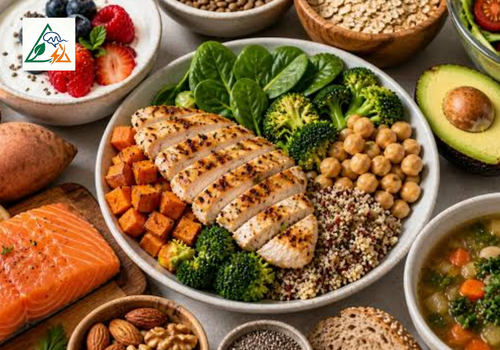
Don’t do what I did in week one. Add things gradually — one new high-fiber food every few days rather than overhauling your entire pantry at once — and drink more water than feels necessary while you’re doing it. That single piece of advice would have saved me two genuinely unpleasant days.
Start with the cheap, versatile stuff. Beans and oats did more for me than anything fancier or more expensive ever did, and they’re also the easiest to actually keep stocked and use regularly rather than letting them go bad in the crisper drawer.
Expect some foods to just not work for you, and don’t force it. I gave up on quinoa and bran cereal without guilt, because there were plenty of other options that did the same job without making mealtime miserable.
And don’t expect a dramatic before-and-after. What I actually experienced was quieter than that — less bloating, steadier energy, a general sense of feeling less “off” than I had for months beforehand. Nothing photo-worthy, but genuinely noticeable in daily life, which honestly mattered more to me than anything more dramatic would have.
FAQs
What are the best high fiber foods to start with? For me, beans and oats were the easiest wins — cheap, versatile, and genuinely filling. I’d start there before trying to overhaul everything at once, which is exactly the mistake I made and regretted.
How much fiber should I eat per day? I didn’t track an exact number obsessively, and general guidance varies by person, so I’d be cautious about taking one number as universal. What mattered more for me was gradually increasing from basically nothing to noticeably more, rather than hitting a specific target immediately.
Why does eating more fiber cause bloating at first? In my case, it was because I added too much too fast without enough water alongside it. Slowing down and increasing water intake fixed it within a few days for me, though everyone’s gut adjusts differently.
Can high fiber foods help with weight loss? Indirectly, in my experience — feeling fuller longer meant less snacking, which mattered more than fiber doing anything dramatic on its own. I wouldn’t treat fiber alone as a weight-loss plan.
What high fiber foods are easy to add to breakfast? Overnight oats with chia seeds became my go-to. Also stirring ground flaxseed into a smoothie, which I genuinely couldn’t taste but apparently helped.
Do I need to avoid processed foods entirely to get enough fiber? No, at least not in my case. I kept plenty of regular meals and snacks around and just layered fiber-rich options in alongside them rather than eliminating everything else.
How long before I notice a difference from eating more fiber? For me, the bloating improvement showed up within a couple of weeks, once I’d corrected my initial mistake of increasing too quickly. Your timeline might differ depending on your starting point.
Is it better to get fiber from food or supplements? I only tried food, aside from that one failed psyllium husk experiment, and food worked well enough for me that I never felt the need to look into supplements further. That’s just my experience, not a blanket recommendation either way.
What if I don’t like beans or oats? Those happened to be the easiest for me personally, but they weren’t the only options — roasted vegetables and berries did similar work for me on the days I didn’t feel like beans. It’s less about hitting one specific food and more about finding a few that you’ll actually keep eating.
Conclusion
I went from not thinking about fiber at all to genuinely caring about it because of one uncomfortable question at a doctor’s appointment, and honestly, I’m glad it happened the way it did. I made the classic mistake of going too hard too fast and paid for it with two rough days, but once I slowed down, most of these foods quietly became normal parts of how I eat now, not some separate “health thing” I’m doing. If you’ve been ignoring fiber the way I did for years, it might be worth more attention than the side of a cereal box usually gets.
[…] way more than precision, and overthinking it just makes snacking exhausting instead of easy. Make your meals more fiber-rich with these simple food choices that fit easily into a balanced […]
Absolutely! Keeping healthy eating simple and practical makes it much easier to stay consistent without feeling overwhelmed.
[…] I think trying to make every day identical is exactly where I failed at “eating better” in the past. Letting weekdays be boring and weekends be a little more involved made the whole thing feel less like a program and more like just… how I eat now. If you are trying to eat more fiber, check out these nutritious foods you can start adding this week. […]
I completely agree! Keeping weekdays simple and allowing a little flexibility on weekends makes healthy eating feel much more realistic and sustainable.