
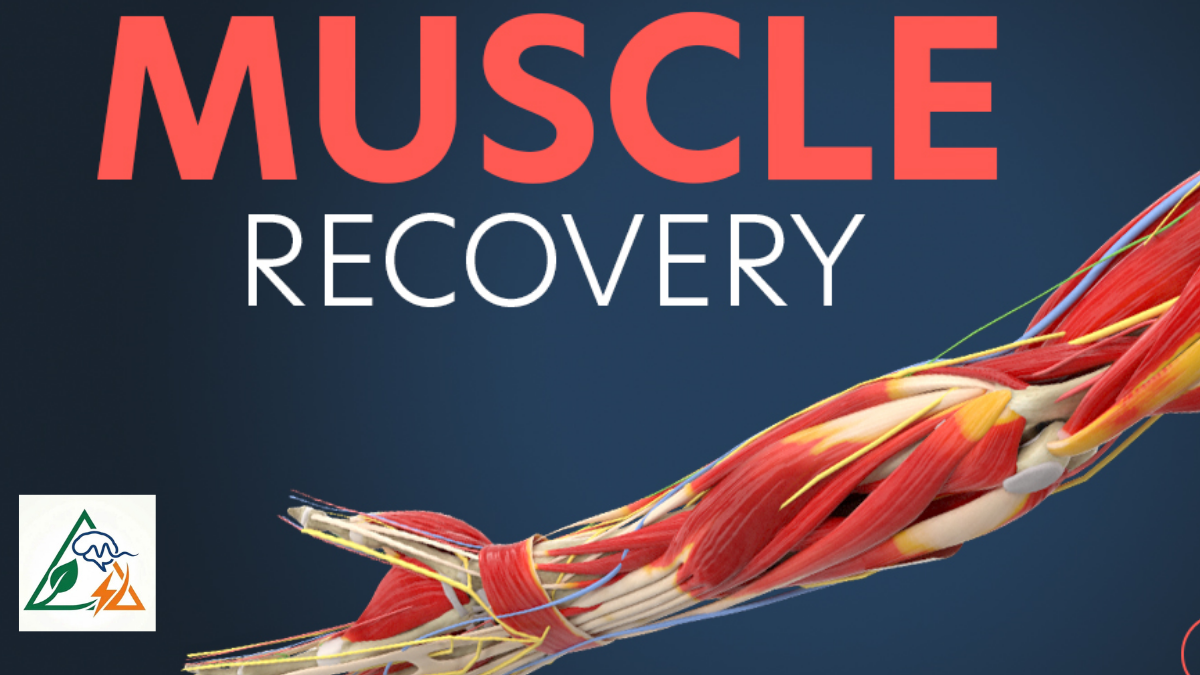
I used to think muscle recovery just meant “wait until it stops hurting.” That was genuinely the extent of my strategy for years — do a hard workout, feel destroyed for two or three days, complain about stairs, eventually feel normal again, repeat. Nobody told me there was more to it than that, or maybe someone did and I just wasn’t listening because I was too busy being proud of how sore I was, which in hindsight is a weird thing to be proud of.
Quick note before anything else: I’m not a trainer or a physical therapist; this isn’t professional advice, and if you’re dealing with real pain versus normal soreness, or an actual injury, please see someone qualified rather than reading a blog post about it. This is just what changed for me once I stopped treating soreness like a badge of honor and started actually paying attention to what helped it go away faster.
The Workout That Changed My Mind About All This
There was one specific leg day — heavier than I was used to, a new trainer at my gym who pushed the weight more than I’d been pushing myself — that left me barely able to sit down on a toilet without using the wall for support for about four days straight. Genuinely embarrassing, walking down stairs sideways like some kind of crab, my husband laughing at me every single time.
That was the workout that finally got me to actually look into whether I was doing anything wrong on the recovery side, because four days of that felt excessive even by my usual “I’m too proud to stretch” standards.
What I Was Doing Wrong, Basically Everything
Turns out my “recovery routine” had been: nothing. No cooldown, no stretching, sometimes not even much water during the workout itself. I’d finish, feel accomplished, go straight to the car, and that was it. In hindsight, this seems almost willfully ignorant, but at the time it genuinely didn’t occur to me that the workout wasn’t the whole equation.
I started reading, talked to that trainer who’d wrecked my legs in the first place (turns out he had opinions on this, unsurprisingly), and slowly built out an actual approach instead of just white-knuckling through the soreness like it was some unavoidable tax on exercising hard.
Hydration, Which I Took Way Less Seriously Than I Should Have
I used to drink water during a workout kind of randomly, whenever I remembered, which for me meant maybe twice during an hour-long session. Started actually tracking this, roughly, and realized I was probably mildly dehydrated most of the time without registering it as a problem; I just assumed feeling gross afterward was normal.
Started drinking more consistently through the session and adding electrolytes on the really sweaty days, not every day, just the ones where I’d clearly lost a lot through sweat. Noticed a real difference in how foggy I felt afterward, less of that slightly nauseous, headachy thing I’d just accepted as part of finishing a hard workout.
The Protein Thing I Resisted For Way Too Long
I’d read about eating protein after a workout for literal years and mostly ignored it, partly because I didn’t fully understand why it mattered and partly because I just wasn’t hungry immediately after exercising, so it felt like extra effort for no clear reason.
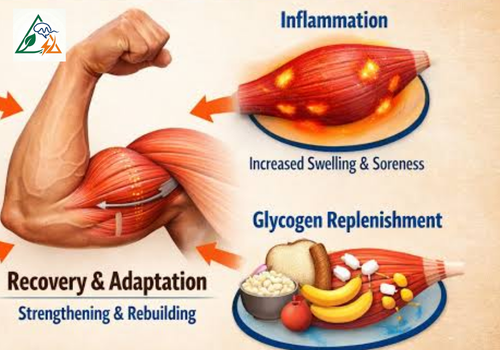
Started actually doing it, nothing complicated, usually a protein shake or, if I timed things right, an actual meal within an hour or so of finishing. The soreness didn’t vanish; I want to be clear about that, but it did feel like it resolved a bit faster, closer to two days instead of the usual three or four I’d gotten used to. According to InsideTracker, consuming 20 to 40 grams of protein after a workout is generally considered ideal for optimizing muscle recovery, which roughly matched what I was doing without ever landing on an exact number myself.
Stretching, Which I Actively Avoided Before This
I hated stretching. Found it boring, felt like wasted time when I could be doing something that actually felt like exercise. Started forcing myself into five or ten minutes of it after workouts specifically, focused on whatever muscle group had just gotten destroyed.
Genuinely didn’t expect this to matter much and was kind of annoyed to discover it did. Not dramatically, but enough that I stopped skipping it, especially after leg day specifically, where the difference between stretching and not stretching became noticeably obvious within a day or two. New to exercise? Try this simple 7-day home workout challenge to build a consistent fitness routine.
Sleep, Which I Was Already Working On For Unrelated Reasons
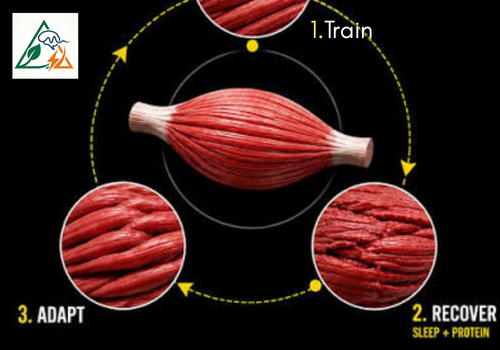
I happened to already be deep into fixing my sleep for other reasons around this same period, and noticed, almost as a side benefit, that better sleep seemed to correlate with faster recovery from hard workouts too. Makes sense in hindsight; I think a lot of actual repair happens while you’re asleep, but I hadn’t consciously connected those two things before.
On the nights I slept badly, soreness the next day felt noticeably worse than on nights I’d slept well, even when the workout itself had been roughly the same intensity. That pattern repeated often enough that I stopped dismissing it as coincidence.
The Foam Roller I Bought and Then Actually Used
Bought a foam roller years before any of this, used it maybe twice, let it sit in a closet gathering dust for what was probably two years. Dug it back out during this whole recovery overhaul and started actually using it consistently, mostly on my legs after leg day specifically, since that was my worst offender.
Hurts in kind of a satisfying way, if that makes sense, that specific ache where you can tell it’s doing something even though it’s not exactly pleasant in the moment. Helped with the general tightness more than I expected, though I’ll admit I’m still not entirely sure if it sped up actual recovery or just made the soreness feel more manageable in the moment. Either way, worth digging it back out of the closet.
The Mistake That Set Me Back
About a month into actually taking recovery seriously, I got a little overconfident and scheduled two intense leg days only two days apart, figuring since I was “doing everything right” on the recovery side, my body could handle it. It could not. Ended up more sore than I’d been in months, worse than the original leg day that started this whole thing, and had to skip a planned workout entirely because I genuinely couldn’t move properly.
Learned, the hard way, that recovery tips don’t cancel out the need for actual rest days between hard sessions targeting the same muscle group. I’d been treating the tips like a hack that let me push harder more often, when really they were meant to help me recover from a reasonable training schedule, not replace the need for one.
What My Trainer Actually Said About Rest Days
Once I admitted the double leg day mistake to him, slightly embarrassed, he laughed and said that’s a really common thing people do once they start caring about recovery — treat it like a cheat code instead of a complement to actual rest. He explained that muscles need real time to repair, generally recommending at least a day, often two, before hitting the same muscle group hard again, though he was clear this varies by person, training experience, and intensity.
That conversation reframed the whole thing for me. Recovery tips weren’t a way to train harder more often. They were a way to recover better from the training I was already doing, which is a different goal entirely, and one I’d been quietly missing the whole time.
Active Muscle Recovery, Which Sounded Like a Contradiction At First
The idea of moving on a recovery day sounded backwards to me initially — isn’t the point of recovery to not move? Turns out light activity — a walk, some easy stretching, gentle movement that isn’t another hard workout — seemed to help more than complete stillness did, at least based on how I felt when comparing full rest days to lighter active ones.
I started taking easy walks on the days after my hardest sessions instead of just lying around, and the soreness seemed to loosen up faster on those days compared to days I did nothing genuinely at all. Anecdotal, obviously, just my own pattern, but consistent enough that I kept doing it.
What Actually Changed For Me, Realistically
The four-day crab-walking-down-stairs situation became more like one, occasionally two days of manageable soreness instead. Not gone entirely — I don’t think that’s realistic after a genuinely hard workout, and I got suspicious of any advice promising zero soreness ever. But manageable, in a way it hadn’t been before, and I stopped dreading leg day specifically the way I used to.
I also just felt more in control of the whole process, less like soreness was some random punishment I had to endure and more like something I could actually influence with specific, identifiable choices. Build a consistent fitness routine with easy bodyweight exercises that support strength and mobility in later years.
What All This Actually Cost Me
The foam roller I already owned, so that was free technically, just neglected. Protein powder and electrolyte packets became a small recurring grocery expense, nothing dramatic, maybe an extra fifteen or twenty dollars a month once I actually started using them consistently instead of letting containers expire in the cabinet.
I also ended up buying a cheap massage gun after a few months, mostly out of curiosity after hearing other people at the gym talk about theirs. Mixed feelings on that one, honestly — felt good in the moment, similar to the foam roller, but I’m not convinced it did more for actual recovery than the roller already did for a fraction of the price. If I were starting over, I probably would have skipped it and put that money toward better food instead.
The Ice Bath Phase I Went Through and Abandoned
Somewhere in month two, caught up in reading about recovery, I tried cold water immersion, filling my bathtub with cold water and ice from the gas station down the street, standing in it for a few painful minutes, feeling like my legs were on fire in the worst way. Did this maybe six times over a few weeks.
I want to be honest: I hated it. Every single time. Dreaded it more than the actual workout that preceded it. Whether it helped my recovery specifically, I genuinely can’t tell you, because I was doing so many other things simultaneously that isolating this one variable felt impossible. What I can tell you is that the dread of the ice bath started affecting whether I even wanted to do the hard workout in the first place, which felt counterproductive to the whole point of any of this. Stopped doing it after about three weeks, decided the juice wasn’t worth the squeeze for me personally, and honestly felt relieved letting that one go.
A Specific Bad Recovery Day, For Honesty’s Sake
Not every attempt at “doing recovery right” went smoothly. There was one Sunday, a particularly demanding upper body session the day before, where I did everything on my supposed checklist — protein shake immediately after, stretching, foam rolling, an early bedtime — and still woke up feeling like I’d been in a car accident. Shoulders barely functional; couldn’t lift my arms above my head without wincing.
Felt genuinely discouraged that morning, like maybe none of this actually mattered and I’d just gotten lucky on the days it seemed to work. Texted my trainer, half venting, half asking if I was doing something wrong. He pointed out, reasonably, that some soreness is just going to happen regardless of how well you recover, especially after pushing weight you’re not fully adapted to yet, and that expecting zero bad days was setting myself up for exactly this kind of discouragement. That reframe actually helped more than any physical recovery tip had that particular week.
How This Affected My Actual Training Schedule
Once I stopped treating recovery tips as a way to train harder more often, I actually restructured my week a bit. Used to just show up whenever motivation struck, sometimes hitting legs three times in five days without thinking about it. Now I space things out more deliberately, alternating muscle groups, building in actual rest or active recovery days rather than filling every single day with something intense.
This felt like giving something up at first, like I was somehow being less dedicated by not training every single day at full intensity. Took a while to reframe that in my head — that the rest days were part of the training, not a break from it, even though that’s such an obvious-sounding sentence to type now that I’ve actually internalized it.
What Changed About How I Talk to Myself After a Hard Workout
This is a smaller thing, but it mattered. I used to treat extreme soreness as proof I’d had a good workout, almost bragging about barely being able to walk. Somewhere in this whole process I stopped equating pain with effectiveness. A workout that left me moderately, manageably sore and able to function the next day started to feel like more of a win than one that left me crippled for four days, even though my old brain would have called that second scenario the “better” workout.
FAQs
How long should muscle soreness last after an intense workout? For me, once I started actually focusing on recovery, it dropped to one or two days instead of the three or four I used to deal with. Severity and duration probably vary quite a bit by person and workout intensity, though.
Is stretching after a workout actually necessary? I resisted it for years and regretted that once I finally tried consistently stretching afterward — the difference, at least for me, was noticeable enough that I stopped skipping it.
Does protein really help with workout recovery? In my experience, yes, though I can’t separate it perfectly from the other changes I was making at the same time. Eating something with protein within roughly an hour of finishing seemed to help soreness resolve a bit faster for me.
How many rest days do I need between intense workouts? I learned this one the hard way by scheduling two intense leg days only two days apart and paying for it. My trainer generally suggested at least a day, often two, for the same muscle group, though this varies by person and training level.
Does a foam roller actually help with recovery? For me, it helped with general tightness and made the soreness feel more manageable, though I honestly can’t say with confidence whether it sped up actual physical recovery or just made it feel better in the moment.
Should I still exercise on a recovery day? Light movement seemed to help me more than total rest did, based on my own comparison of active versus fully sedentary recovery days. That’s different from doing another hard workout, which is what got me into trouble in the first place.
How much water should I drink during an intense workout? I didn’t track an exact number, just started being more consistent about drinking throughout the session rather than randomly, and added electrolytes on especially sweaty days. That alone noticeably reduced the foggy, slightly nauseous feeling I used to get afterward.
Are ice baths worth it for recovery? I tried them for a few weeks and personally hated the experience enough that the dread started affecting my motivation to even do the workout beforehand. Couldn’t isolate whether they actually helped since I was changing so many other things at once, and eventually decided it wasn’t worth it for me specifically.
Is a foam roller or a massage gun better for recovery? I ended up preferring the foam roller, mostly because it was cheaper and I’m not convinced the massage gun did anything more for me despite the higher price. That’s just my own comparison though, not a universal verdict.
Conclusion
I spent years treating soreness like an unavoidable cost of training hard, something to just grit through until it passed. Turned out a handful of unglamorous changes — actual hydration, protein, stretching I used to skip, sleep I was already working on for other reasons, rest days I’d been quietly shortchanging — made a real difference, without any single one of them being some dramatic secret. I also learned the hard way that recovery tips aren’t a loophole for training harder more often; they’re a way to recover properly from the training you’re already doing. If you’re still doing what I used to do, treating recovery as an afterthought, it might be worth more attention than you’re currently giving it.
[…] but genuinely useful in actual daily life, not just some abstract fitness improvement. Give your muscles time to recover with these practical post-workout habits that can fit into your […]