

For years I thought the shaky, foggy, snappish feeling I got most afternoons around 3pm was just being tired. Normal adult exhaustion. Everyone’s like that, right?. Not really, apparently. At a routine physical, my doctor flagged my blood sugar numbers as creeping toward the higher end of normal. Not diagnosable as anything, just a “let’s watch this” conversation.
She asked what I typically snacked on. I rattled off the list — granola bar mid-morning, pretzels or crackers around lunch, and honestly, more often than I want to admit, whatever was sitting in the office candy jar because it was there and I was tired and my brain wanted sugar immediately, no negotiation.
She didn’t lecture me. Just pointed out, pretty gently, that everything on my list was fast carbs with basically nothing to slow them down. Spike, then crash. That crash, she said, was probably my “just tired” feeling. That conversation sent me looking for the best snacks for blood sugar control, since it turned out nothing I was reaching for actually qualified.
I’m not diabetic. No diagnosis, nothing dramatic. And I want to say clearly — this isn’t medical advice; talk to your own doctor about your own numbers. This is just what I changed after that appointment, snack-wise, and what actually happened, along with the best snacks for blood sugar that ended up sticking around months later.
I Genuinely Didn’t Get This Before
“Healthy snack” to me meant low-calorie. Rice cakes, pretzels, those sad 100-calorie packs that used to fill an entire grocery aisle. It never crossed my mind that a low-calorie snack could still wreck my blood sugar, or that the crash after might be worse than just not eating anything at all.
The thing my doctor said that finally landed: pair a carb with protein or fat, and it slows down, less spike, less crash. Obvious in hindsight. I’d just never once applied it to my own snacking, not one time in probably fifteen years of eating rice cakes at 3pm and wondering why I felt awful an hour later.
According to Levels Health, pairing carbohydrates with protein and fat has been shown to blunt post-meal blood sugar spikes by slowing how quickly the carbs are digested — which is exactly the mechanism my doctor was describing.
Best Snacks for Blood Sugar: What Actually Ended Up In My Rotation
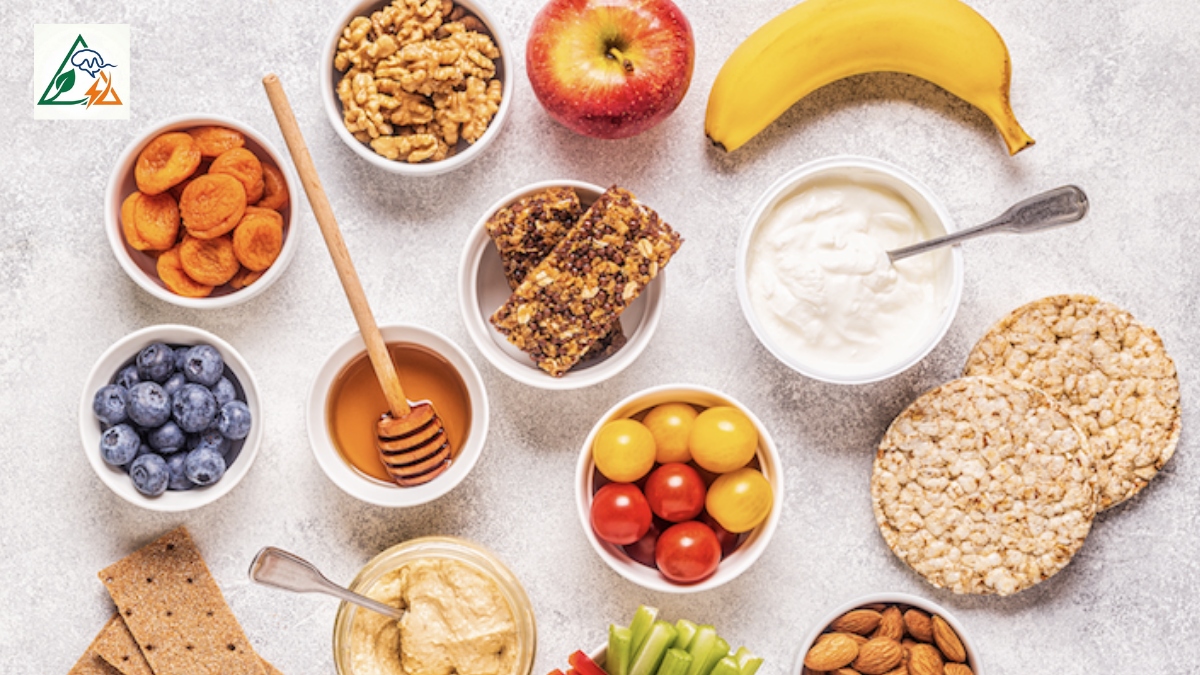
Apple and peanut butter became the thing, honestly, more than anything else. Cheap, fast, I started keeping a jar at my desk, which felt weird the first time and then just wasn’t. A few boiled eggs from the same Sunday batch I already made for breakfast — no thinking involved, just grab two, done. Cheese and a handful of crackers on the days I truly could not be bothered, which was more days than I’d like to say.
Almonds, plain, portable, not exciting but fine. Greek yogurt with berries some afternoons, same stuff from my breakfast rotation just moved later in the day. Hummus took a few tries — my first container was basically pure garlic, an aggressive choice before a 3pm meeting — but I found a milder brand and carrot sticks became a real habit.
Roasted chickpeas, made on a whim one Sunday with paprika and salt, turned out way better than expected. Crunch matters more than I gave it credit for. Turkey roll-ups with a slice of cheese, no cooking required, thirty seconds tops. And edamame — steamed, salted, warm — which I never once thought of as a snack until my doctor mentioned it offhand, and now I genuinely crave it some evenings, which surprised nobody more than me.
The Week I Took It Way Too Far
For about ten days I turned this into a laboratory. Weighing almonds on a kitchen scale. Actual kitchen scale, actual almonds, actual insanity in retrospect. Made snacking stressful instead of easy, which is the opposite of the point. Make your mornings more filling with these simple high-protein breakfast ideas that are easy to prepare.
Worse — I got briefly paranoid about fruit and basically cut it out entirely, which nobody told me to do. My doctor never said that. I did that to myself, standing in the produce section eyeing a banana like it had personally wronged me. Brought it up at my follow-up. And she just laughed a little and said fruit with peanut butter or cheese is fine: that was never the issue. I have a habit of taking a reasonable idea and turning it into an unreasonable rule. This was that, in real time.
The Meeting Day That Actually Convinced Me
Brutal day. Back-to-back meetings, no real lunch, the exact kind of day that used to send me straight to the candy jar out of pure desperation by 2pm. I’d thrown an egg and a small bag of almonds in my bag that morning out of habit, not really thinking about it.
Ate them around 2:15 instead of walking past the jar like I used to. And — I remember this specifically — around 3pm I noticed I hadn’t crashed. No jitters, no desperate need for more coffee, no staring blankly at my monitor unable to string a sentence together. Made it to 5pm feeling roughly like I did at 2pm. That had never happened to me on a day that bad before. That was the moment this stopped being an experiment.
What Didn’t Work
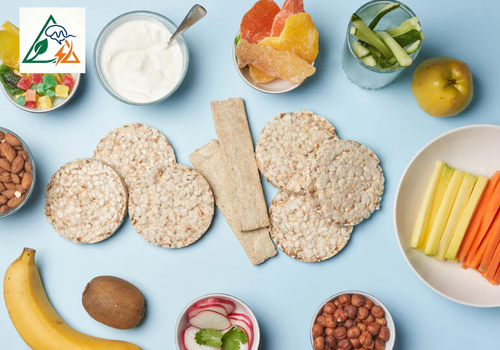
Rice cakes with peanut butter, in theory, sounded fine. In practice, the rice cake felt like eating styrofoam, and I was hungry again within the hour regardless of what was on top. String cheese alone left me feeling like I’d eaten a snack-shaped placeholder — fine in a real pinch, not a real answer.
I also bought a couple boxes of those “diabetic-friendly” snack bars marketed specifically for this. Tasted artificial, cost more than just making my own combinations, didn’t buy a third box.
What My People Noticed
A coworker mentioned, three weeks or so in, that I’d stopped hitting the candy jar as much. I hadn’t been consciously avoiding it — I just wasn’t craving it the same way once my snacks weren’t setting me up for a crash that made sugar feel like the only exit. My husband started stealing my roasted chickpeas straight out of the container when I wasn’t looking. Choosing to take that as a compliment.
What This Cost Me, Because Nobody Mentions It
Nuts aren’t cheap. Almonds specifically added a real line item to my grocery bill I hadn’t planned for. Buying in bulk helped. Hummus and cheese were reasonable. Eggs, cheap as ever. Overall. It cost more than my old pretzel habit, though I also stopped buying candy jar substitutes, which offset some of it.
A Rough Timeline
Week one was the kitchen-scale disaster. Week two I backed off, focused on just having something ready rather than perfecting it. Week three, the coworker comment. Week four, the brutal meeting day. Two months in, a follow-up appointment where my numbers had moved in a better direction — though my doctor was clear this wasn’t only the snacks: sleep and overall activity mattered too, and I hadn’t drastically changed either of those in the same window. I genuinely can’t tell you how much credit belongs to the snacks alone versus everything happening around the same time. I don’t think anyone honestly could.
Small Things That Actually Mattered
Pre-portioning almonds on Sunday so I wasn’t tempted to eat a whole bag mindlessly on a stressful afternoon — this also solved the kitchen-scale problem, since portioning in advance meant no measuring in the moment at all. Keeping peanut butter and pre-cut apple at my desk specifically, since most of my worst crashes happened at work, not on weekends. And not treating one off day — one candy jar relapse — as proof the whole thing was broken. It was a pattern across weeks, not a rule I had to nail every single day.
Figuring Out the Grocery Store Again
My first trip after that appointment took forever, longer than it should have. Stood in front of the granola bars for an actual full minute. Reading labels as they’d suddenly reveal something new. They hadn’t. Same sugar, same nothing-to-slow-it-down situation I’d been eating for years without thinking twice.
Ended up leaving with almonds, a couple different hummus brands to test, eggs (already had those, obviously), peanut butter, and a bag of chickpeas because a recipe I half-remembered involved roasting them. Left the granola bars on the shelf, which felt strangely significant at the time, like I was breaking up with something. I wasn’t. It was a granola bar. But it felt like something.
My kid, along for the ride, asked why we weren’t getting “the good bars anymore,” and I didn’t have a great answer beyond “Mom’s trying something,” which apparently satisfied a seven-year-old more than it satisfied me.
The Second Doctor’s Visit
I went back for the follow-up half expecting to be told nothing had changed, honestly, because that’s usually how these things go for me. It hadn’t been dramatic. I hadn’t lost weight specifically; I wasn’t tracking that anyway. But my numbers had moved, not enormously, but genuinely, and she seemed mildly pleased, which for a doctor who generally keeps a pretty neutral face felt like a big reaction.
I told her about the kitchen scale thing. She laughed, an actual laugh, and said that’s more common than I’d think — people hearing “pair carbs with protein” and immediately turning it into a math problem instead of just a general habit. Made me feel less ridiculous about the whole thing, honestly. Still ridiculous. Just less.
Snack Timing, Which I Hadn’t Thought About At All
I used to snack whenever, no real pattern, whenever boredom or the candy jar or a stressful email hit at the same moment. What actually helped wasn’t just what I ate but roughly when. Mid-morning, before the actual crash started, rather than reactively once I was already foggy and irritable and reaching for whatever was fastest.
Took me a while to notice this pattern. I kept thinking the snack itself was underperforming on certain days, when really I’d just waited too long and was already deep in a crash by the time I ate anything at all. Eating a little earlier, before I felt desperate, made a bigger difference than I expected from something that simple.
The Relapse, If You Want to Call It That
There was a Friday, maybe six weeks in, genuinely awful day at work, one of those where everything that could go sideways did. By 4pm I was standing in front of the candy jar without really deciding to be there, like my feet just walked me over on autopilot. Ate three mini chocolate bars in about ninety seconds, standing up, not even really tasting them.
Felt the crash afterward exactly the way I used to, that specific jittery-then-foggy thing, and honestly felt a little defeated about it. Like weeks of effort had just evaporated over three mini chocolate bars. It hadn’t, obviously, but in the moment it felt that way.
What actually happened after that: nothing dramatic. I didn’t spiral into “well I’ve ruined it, might as well go back to old habits entirely.” Just noticed the crash, connected it back to the candy, and had an apple and peanut butter the next afternoon like normal. One bad afternoon didn’t undo six weeks of a different pattern. I think if this had happened in week one, I might have taken it as proof the whole idea didn’t work. By week six, I already had enough evidence otherwise that one rough day couldn’t really shake it.
Weekends Were a Different Story Entirely
I should mention my weekend snacking never really matched my weekday snacking, and I stopped fighting that at some point. Weekdays were about survival — whatever required zero effort between meetings, whatever I could eat one-handed at my desk. Weekends I had more room to actually enjoy food, and honestly, some weekends I didn’t think about blood sugar at all, just ate what sounded good.
I used to feel a little guilty about that inconsistency, like I wasn’t doing it “right” if I wasn’t applying the same rules seven days a week. Eventually decided that was a pointless thing to feel guilty about. The weekday pattern was doing the heavy lifting anyway, and a couple of looser weekend days never seemed to undo it in any way I could actually notice.
What I’d Actually Tell Someone Starting This
Don’t do the kitchen scale thing. The general idea — carb plus protein or fat — matters way more than precision, and overthinking it just makes snacking exhausting instead of easy. Make your meals more fiber-rich with these simple food choices that fit easily into a balanced diet.
Keep something ready with zero prep required. The snacks that actually got eaten were the ones already sitting in my fridge or desk drawer, not the ones needing assembly while I was already hungry and impatient.
Expect this to take a while. My crashes didn’t vanish in week one. Closer to a month before it felt reliable instead of occasional.
And please, if you have real concerns about your blood sugar, talk to an actual doctor. My situation was a “watch this” conversation, not a diagnosis, and nothing here replaces guidance specific to your own health.
FAQs
What snacks help control blood sugar the most? For me, anything pairing a carb with protein or fat — apple with peanut butter, cheese and crackers, roasted chickpeas. Start with whatever sounds least like a chore, because that’s the one you’ll actually keep eating.
Are fruits bad for blood sugar? Not in my experience, especially paired with nut butter or cheese. I briefly cut fruit almost entirely out of an overcorrection nobody actually told me to make.
How quickly do these snacks make a difference? For me, close to a month before it felt consistent rather than occasional. Not an overnight fix.
Can snacking too much still spike blood sugar even with “good” snacks? Didn’t test that extreme myself, but I’d assume amount still matters some. I stopped obsessing over exact portions once the general pattern was in place, and that worked fine for my situation.
What snacks should I avoid? Plain crackers, pretzels, and candy alone tended to cause the spike-and-crash pattern for me. Doesn’t mean eating them — just that pairing them with something else worked better.
Is this the same as a diabetic diet? No. I don’t have diabetes, and I’m not qualified to speak to what someone managing that actually needs. This is what worked for my own borderline numbers under general guidance, nothing more specific than that.
What’s an easy grab-and-go option? Hard-boiled eggs and pre-portioned almonds, hands down. Having them ready mattered more than which one I grabbed.
What if I have a bad day and eat the wrong thing? Had plenty of those, including a Friday I ate three mini chocolate bars standing at the candy jar without really deciding to. One rough afternoon didn’t undo weeks of a different pattern. I’d worry more about someone giving up after a slip than about the slip itself.
Do I need to give up sweets entirely? No, and my doctor never suggested that either. I still have dessert plenty of evenings. This was about what I reached for during an afternoon dip specifically, not a blanket sugar ban.
Can stress make this harder to manage? Anecdotally, yes, for me. My worst crash days were almost always my most stressed days too, and I could never fully untangle how much was the snack itself versus everything else going on that day. Don’t have a clean answer, just an observation from watching my own patterns.
Is it worth tracking blood sugar at home to see if this is working? I didn’t personally, mostly because my situation wasn’t at the point my doctor felt that was necessary. If you’re wondering whether it’s worth it for you, that’s genuinely a conversation for your own doctor, not something I can speak to from my situation.
Conclusion
I didn’t expect one offhand comment at a physical to change how I snack, but it did, and the real surprise wasn’t some dramatic before-and-after — it was just not feeling like garbage every afternoon anymore. Pairing carbs with protein sounds almost too simple to matter. I was skeptical it would. It’s the one thing that actually stuck.
I still can’t tell you exactly how much of my improved numbers came from snacks alone versus everything else shifting at the same time, and I’d rather say that honestly than pretend I ran some kind of controlled experiment on myself. Sleep, stress, the general chaos of a normal life — none of that stayed perfectly constant while I was changing my snack drawer, so I’m not going to hand you a tidy cause-and-effect story that isn’t really mine to tell with that much confidence.
What I do know is how my afternoons feel now, compared to how they used to feel, and that difference alone was worth the granola bars I left on the shelf that first weird grocery trip. If your 3pm feels anything like mine used to, it might be worth a look at what’s actually sitting in your snack drawer — and worth an honest conversation with your own doctor if there’s more going on than just being tired.
[…] Best Snacks for Blood Sugar Control: 9 I Still Eat Daily […]
[…] Best Snacks for Blood Sugar Control: 9 I Still Eat Daily […]