

Knees started aching, low-grade, nothing injury-like, just a hum that showed up on stairs and stuck around longer than it should. Mentioned it almost as an afterthought at a routine physical. My doctor ran a couple of basic tests; nothing alarming, no diagnosis. Said diet can play a role in general inflammation for a lot of people, suggested I look into anti-inflammatory foods as a low-risk thing to try.
I don’t have arthritis. No autoimmune condition, no diagnosis of anything. If you do, please talk to your own doctor about this specifically — what worked for my vague, undiagnosed ache isn’t the same conversation as managing an actual condition. This is just what I casually tried, and what happened.
Turmeric Lattes Were Basically All I Knew
“Anti-inflammatory” had mostly registered to me as wellness marketing before this — turmeric lattes, expensive supplement ads, that whole aesthetic. Didn’t understand the actual mechanism. Still don’t fully, beyond a rough sense that some foods correlate with lower inflammation markers in research and some with higher.
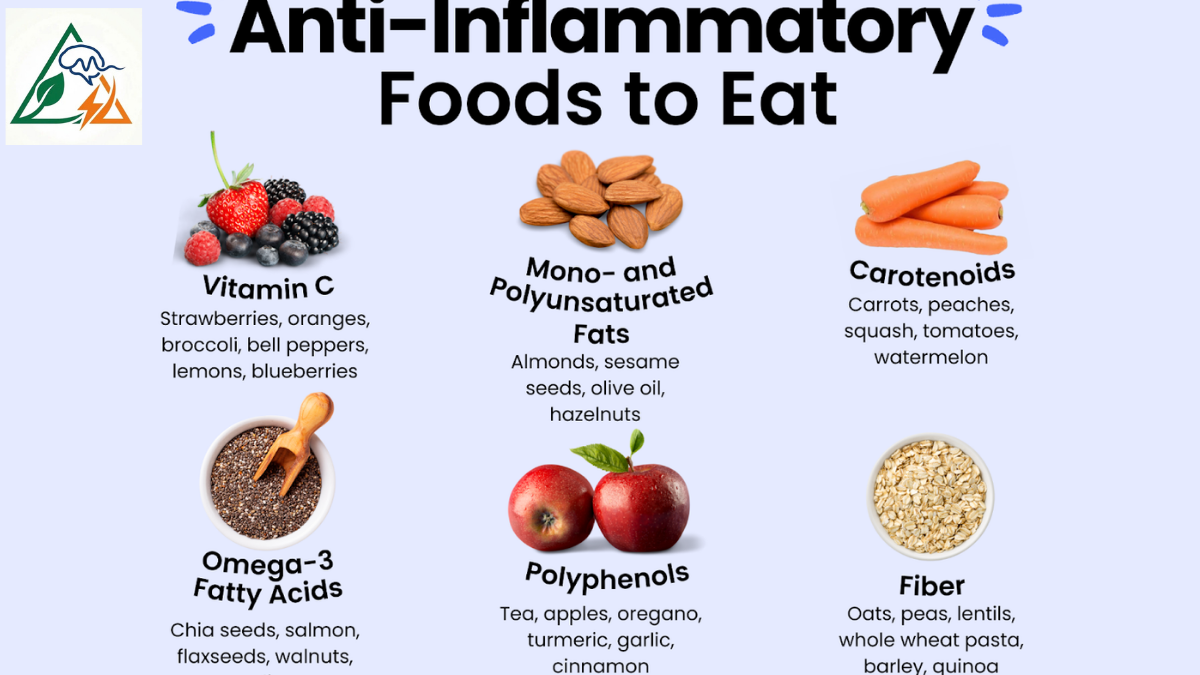
Read some accessible explanations, nothing dense, built a loose mental list. Salmon, berries, greens, olive oil, nuts, turmeric itself kept showing up. According to Healthline, research links foods like fatty fish, berries, and extra virgin olive oil to measurable reductions in inflammatory markers like CRP, which matched exactly what I kept running into in my own reading.
What Actually Landed In My Kitchen
Salmon twice a week, up from maybe twice a year. First attempts were dry, overcooked, genuinely bad. Got better with a simple baked method, eventually started looking forward to it instead of forcing it down.
Blueberries as my regular snack, mostly just because they were easy to keep around and I liked eating them — that mattered more for actually sticking with it than anything about their nutrient profile specifically. Spinach folded into eggs some mornings, a quick side some nights, nothing elaborate, because elaborate wasn’t going to survive an actual Tuesday.
Olive oil replaced most other cooking oils, an easy swap once made. Walnuts as a snack, though I had to watch the portion — easy to eat way more than intended without noticing. Turmeric finally showed up too, not in latte form, just a pinch in soups and roasted vegetables, mostly for flavor at that point since I genuinely can’t tell you how much a pinch here and there does.
What Quietly Got Cut
Not eliminated, just noticeably reduced. Fried food dropped the most, partly because it kept coming up in what I read, partly because I started noticing how sluggish I felt after eating it once I actually paid attention.
Sugar was harder. Didn’t cut it, not close, still have dessert plenty. Just got more aware of where it was hiding — salad dressings, certain breads, sauces I used constantly without a second thought.
A Full Month of Nothing
First month, genuinely nothing. No change in the knee ache that started all this. Started wondering if this was another dud, like the supplement, the pillow, the various gadgets before it that promised something and delivered nothing.
Kept going mostly out of stubbornness at that point. Already made the swaps, might as well see it through.
Week Six, Maybe Something
I want to be careful here because I genuinely can’t rule out other explanations. Around week six, the ache felt less present on an average day. Not gone. Still showed up after longer walks. But the daily background hum seemed quieter.
Complicating factor, honestly: lost a small amount of weight in that same window, mostly an unintended side effect of eating more whole food and less processed stuff, and I have no confident way to separate how much of the knee change came from the food itself versus just carrying a bit less weight on the joint. My doctor agreed both were plausible when I brought it up, and that untangling them with real confidence wasn’t really possible from my situation alone.
The Grocery Bill Climbed Faster Than I Expected
Salmon isn’t cheap. Twice a week added real, noticeable cost. Berries too, especially out of season, until I switched to frozen, which worked fine and cost a lot less.
Bought salmon on sale, froze portions. Leaned on frozen produce generally. Bought walnuts in bulk instead of small bags. Brought the cost down over time, though never back to what the old, more processed grocery routine used to run.
Green Tea, Which I Basically Gave Up On
Every list had green tea on it, so I switched my afternoon coffee for it several days a week, an honest attempt. Didn’t hate it. Didn’t love it either. Eventually admitted I was drinking it out of obligation, not enjoyment, and that’s exactly the kind of habit that quietly disappears within a month.
It did, mostly, within about three weeks. Still have it occasionally now, once a week maybe, when I actually feel like it instead of forcing myself through a list. Not everything on these lists needs to become a rigid daily thing to be worth trying.
Ginger Just Kind of Showed Up
Didn’t plan to add this one. Started grating it into stir-fries, slicing it into hot water some evenings when my stomach felt off after a heavy meal. Can’t tell you if it did anything for inflammation specifically. It settled my stomach though, which I appreciated regardless of whatever else it might or might not have been doing.
The Supplement Aisle Almost Got Me
Stood there one afternoon surrounded by turmeric capsules, fish oil pills, “anti-inflammatory blend” products promising in a pill what I was trying to do through actual food. Genuinely considered the shortcut. Would have been easier, in that moment, than cooking salmon twice a week.
Didn’t buy anything; remembered my doctor had specifically suggested food changes, not supplements, and decided to stick with what she’d actually recommended. Did try fish oil separately for about a month later, out of curiosity; couldn’t tell a difference between weeks I took it and weeks I didn’t. Let that one go without much ceremony.
Family Dinners Got a Little Complicated
My mother-in-law cooks the way I grew up eating — fried, comforting, exactly the category I’d cut back on. Didn’t want to turn every holiday into a production, declining dishes, explaining myself. Mostly just ate what was served and didn’t stress about it.
Treating every single meal as a strict test would have made me miserable and made everyone around me uncomfortable too. The pattern across most days mattered more than any one dinner, and letting that go took real pressure off.
Suddenly I Was Reading Ingredient Labels
Never used to bother. Started out of curiosity, mostly, wanting to know where hidden sugar was actually showing up. Found it in salad dressings I used constantly, bread I’d assumed was fine, sauces I never gave a second thought.
Wasn’t trying to become an obsessive label-reader forever. Just a phase of curiosity that quietly changed a few purchases even after the scrutinizing itself faded. Switched bread brands. Started making my own dressing, olive oil and vinegar, instead of buying the sugar-loaded bottled kind.
A Friend With an Actual Diagnosis Set Me Straight
Close friend has rheumatoid arthritis, an actual autoimmune diagnosis. Mentioned my casual little experiment to her once, and she was kind but direct — her relationship with anti-inflammatory eating is part of a real treatment plan coordinated with her rheumatologist, not a casual thing based on a vague ache.
That conversation stuck. It’s basically why I keep repeating this distinction throughout. What worked for my situation — nothing diagnosed — isn’t the same conversation as managing a real condition, and I don’t want anyone reading this to blur the two together.
Where This Fell Apart Some Weeks
There was a stressful month at work where the whole thing slid — more takeout, processed snacks creeping back, nothing deliberate about it, just convenience winning out over intention. Didn’t beat myself up excessively. Did notice, once things calmed and I got back to the regular pattern, the ache seemed a bit more present during that slipped stretch than before or after.
Can’t call that definitive. Could be coincidence, could be the stress itself rather than the food, could be both tangled together. Enough of a pattern that I paid more attention going forward, without turning it into an anxious rule I had to follow perfectly.
My Doctor’s Actual, Hedged Answer
Brought the whole thing to a follow-up, curious what she’d make of my unscientific self-observation. Measured response, which I appreciated more than enthusiasm would have been. Said changes like this are generally low-risk, reasonable to try, real research does connect certain foods to inflammation markers — but my personal experience, no actual bloodwork tracking inflammation, couldn’t be treated as proof of anything beyond “this seemed to help, possibly, alongside other stuff.”
That honest, hedged answer felt more trustworthy than any clean cause-and-effect story I’d read online.
What I Didn’t Expect to Notice: Skin
Not something I was tracking, not something I went looking for. But somewhere around month three my husband mentioned, out of nowhere, that a patch of dry, slightly irritated skin I’d had on my elbow for literally years had basically disappeared. Hadn’t even thought about that elbow in ages, honestly; it had just become background noise, the kind of minor thing you stop registering as a problem because it’s always been there.
Can’t tell you if it was diet-related; could be a coincidence, could be a different lotion I’d started using around the same time for unrelated reasons, could be the season changing. Mentioning it anyway because it’s exactly the kind of small, unplanned observation that felt more convincing to me than anything I was actively trying to measure. Things I’m hunting for tend to feel less reliable than things someone else notices without me prompting them.
The Recipe That Actually Got Repeated
Most of what I cooked during this whole stretch was forgettable, functional, the kind of meal you make because it fits the pattern rather than because you’re excited about it. One thing stuck though — a sheet-pan situation, salmon and broccoli and sliced sweet potato, all tossed in olive oil with a bit of turmeric and black pepper, roasted together on one pan, minimal cleanup.
Made this probably fifteen times over the following months, which for me is an enormous amount of repetition for a single meal. Usually get bored of anything after the third or fourth time. This one just kept working — fast enough for a weeknight, good enough that I never dreaded it, and it happened to check most of the boxes from my rough anti-inflammatory list without me trying particularly hard once I’d landed on the combination.
Restaurants Got a Little Awkward for a While
Eating out became slightly more complicated, not in some dramatic way, just a quiet mental calculation I hadn’t done before — scanning a menu a little differently, noticing how much was fried, how little featured the kind of foods I’d been leaning toward at home. Didn’t turn into some rigid ordering ritual. Just a new layer of awareness that occasionally made picking something take a beat longer than it used to.
There was one dinner out with friends, a place known for its fried appetizers specifically, where I just ordered what I wanted and didn’t think twice about it. Felt like the right call in the moment, and still does looking back. This whole thing was never meant to follow me into every single meal outside my own kitchen, and trying to make it do that would have made me exhausting to eat dinner with.
What I’d Actually Say to Someone Starting This
Don’t expect anything in the first month. Genuinely nothing happened for me in that stretch, and if I’d quit right there, which I nearly did, I’d have missed whatever came later.
Pick one or two things you’ll actually keep eating rather than trying to add the whole list at once. The salmon sheet-pan meal did more for my consistency than any theoretical understanding of inflammation markers ever could have.
Let go of the idea that every meal needs to comply. The holiday dinners, the fried-appetizer night out — none of that undid the overall pattern, and trying to make it perfect would have made the whole thing unsustainable within weeks.
And bring whatever you notice to an actual doctor rather than deciding on your own what it means. My doctor’s hedged, uncertain answer at my follow-up was more useful to me than any confident claim I read online, because it was honest about what my own experience could and couldn’t actually prove.
FAQs
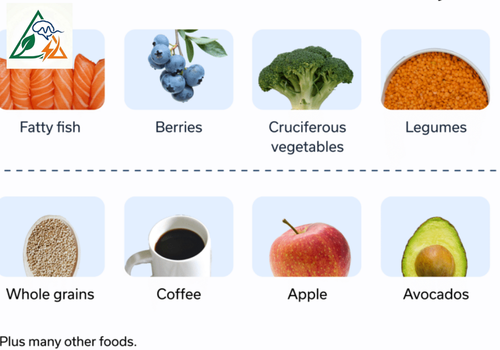
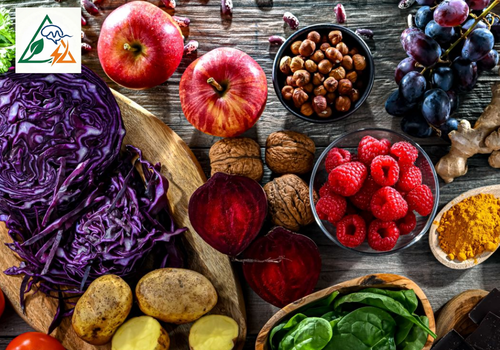
What foods are considered anti-inflammatory for beginners to start with? For me: fatty fish, berries, leafy greens, olive oil, walnuts. Easiest to fold into normal meals without a total kitchen overhaul.
How long before I notice a difference? Close to six weeks in my case, and even then I couldn’t fully separate it from an incidental weight change happening around the same time.
Can diet alone reduce inflammation and joint pain? Don’t know for certain in my own case, since other factors shifted simultaneously. My doctor was clear this isn’t a guaranteed fix and shouldn’t replace medical care for an actual diagnosed condition.
Is turmeric actually effective for inflammation? Added it mostly for flavor. Genuinely can’t say how much small cooking amounts realistically did. Small piece of a much bigger set of changes, not tested in isolation.
What foods should I avoid if I’m trying to reduce inflammation? For me, cutting back on fried food and reducing processed food frequency felt most noticeable, though I didn’t eliminate either.
Is an anti-inflammatory diet expensive? More than my old grocery routine, mainly fatty fish and fresh berries. Buying in bulk, using frozen produce, catching sales brought the cost down significantly.
Should I try this instead of seeing a doctor about joint pain? No. I brought this to my doctor first and kept her in the loop throughout. Ongoing pain or a suspected inflammatory condition is a conversation for a doctor, not a diet article.
Is it okay to eat off-plan at family gatherings? For me, yes. Treating every meal as a strict test would have made the whole thing miserable. The pattern across most days mattered more than any one dinner.
Do I need supplements, or is food enough? I stuck with food specifically because that’s what my doctor suggested. Tried fish oil separately out of curiosity later and couldn’t tell any difference, so I dropped it.
What if I notice a change I wasn’t even trying to track? Happened to me with a dry patch of skin on my elbow that had been there for years, noticed by my husband before I clocked it myself. I found those unplanned observations more convincing than anything I was actively hunting for, though I still can’t rule out coincidence or an unrelated cause.
Is it normal for progress to feel uneven or hard to pin down? Very much so, in my case. A full month of nothing, then a maybe-improvement I couldn’t fully credit to diet alone, then a stressful stretch where it seemed to slip. I think that messiness is more honest than a clean transformation story, even though it’s less satisfying to read.
Conclusion
Went in without much confidence, expecting another supplement-aisle-style letdown. Got something slower and muddier instead — a possible improvement I can’t fully separate from other changes happening at once, a grocery bill that crept up before I figured out how to manage it, a stressful month where it slipped and the ache seemed to creep back a little too.
Not handing you a clean, confident verdict, because I don’t have one. There’s the knee thing, the skin thing my husband noticed before I did, the recipe that somehow survived fifteen repeats without me getting sick of it — all real, all a little uncertain, none of it a tidy before-and-after.
What I can say: it felt worth continuing, worth the extra grocery cost, and worth bringing to my doctor rather than treating as something I’d figured out entirely on my own. If you’re dealing with something similarly vague and undiagnosed, that’s probably the honest place to start too — not with a supplement aisle, but with a conversation.