

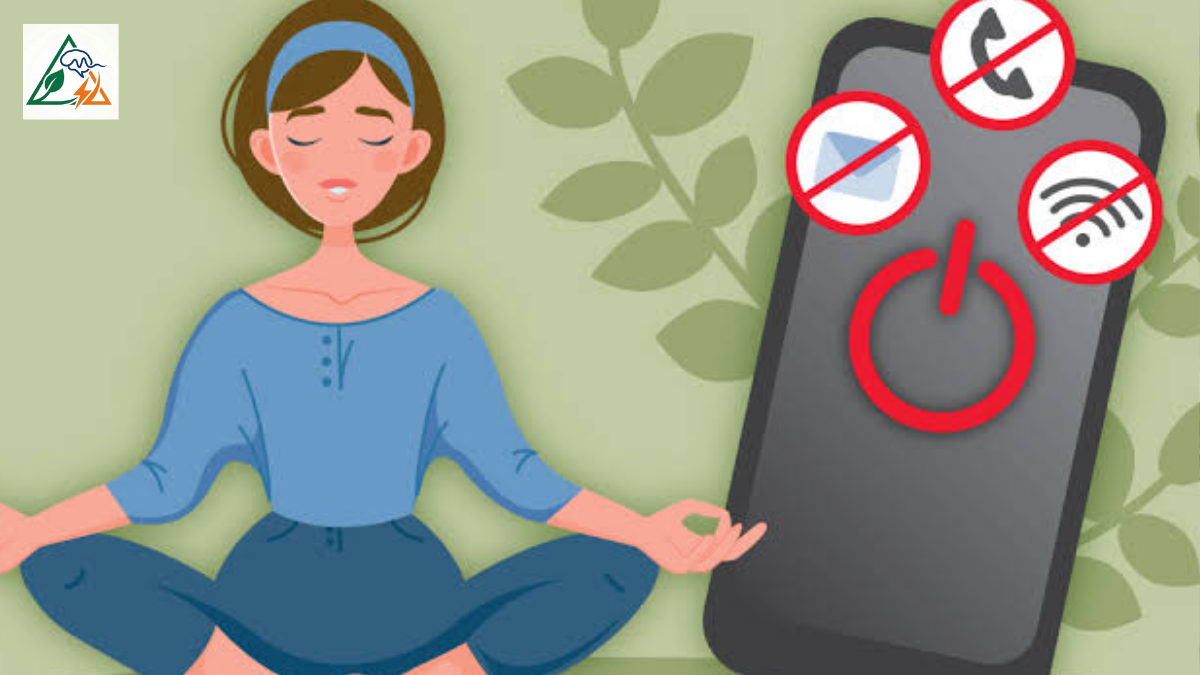
Checked my screen time report on a random Tuesday, mostly out of boredom, and it said something like six and a half hours. Not work stuff. Just scrolling. Six and a half hours of my actual life, gone into a phone, and I genuinely couldn’t tell you what any of it was. Nothing memorable. Just gone.
Sat with that number for a while, uncomfortably. I’m not a therapist; this isn’t clinical advice. I am just sharing some digital detox tips for mental health, and if screen use feels tangled up with something bigger for you — real depression, real anxiety, something that feels beyond habit — please talk to an actual professional. This is just what I did after that Tuesday, what worked, what I quit within a day, and what I’m still, honestly, not great at.
The Number That Started This
Six and a half hours felt like a lie at first. I don’t remember scrolling that much. That’s kind of the whole problem though, isn’t it — none of it registers as time passing; it just evaporates. I went back and looked at the app breakdown. Instagram, mostly. Some news apps, doom-scrolling headlines that made me feel worse and somehow kept me reading anyway. A weird amount of time on a shopping app I don’t even remember opening.
My husband, when I showed him, wasn’t remotely surprised, which stung a little. Apparently this had been obvious to him for a while. Not obvious to me, somehow, until a number told me.
What I Tried First: Digital Detox Tip
Deleted every social app off my phone in one dramatic Sunday-night purge. Instagram, gone. Twitter, gone. TikTok, which I’d been telling myself I “barely used,” also gone, and also, it turned out, the one I missed most within about six hours.
Lasted four days. Redownloaded TikTok on day five, told myself it was just to check one specific video someone had mentioned, and within twenty minutes I was back to the exact scrolling pattern I’d deleted the app to escape. Learned something real from that failure though — going cold turkey on everything simultaneously wasn’t sustainable for me, at all, and probably set me up to fail from the start.
Starting Smaller, Which Actually Worked
Second attempt, weeks later, I picked one thing. Just one. No phone in bed, full stop. Charger moved to the kitchen, same move I’d already made for a completely different reason months earlier with the sleep stuff, except this time I extended it specifically to cover the evening too, not just mornings. Start your day with simple morning habits that can help reduce stress and support a calmer mindset.
That one change alone did more than the dramatic app-deletion purge had. Evenings got quieter almost immediately, not because I’d developed some new willpower, just because the phone physically wasn’t there to reach for anymore.
The Screen Time Limits I Set and Immediately Cheated On
Tried using the built-in app limits on my phone next. Set Instagram to thirty minutes a day. Hit the limit, clicked “ignore limit,” kept scrolling, every single time for about two weeks straight. The feature exists, and I completely defeated its entire purpose within about four seconds of the notification appearing.
What eventually worked wasn’t the limit itself. It was moving the app off my home screen entirely, into a folder, buried on a second page I had to actively navigate to. Small, dumb, extremely effective. That tiny bit of added friction — a few extra taps — was apparently all it took to interrupt the habit loop enough that “ignore limit” stopped being my automatic reflex.
According to a University of Michigan study, adding small friction to phone interactions is more effective at cutting screen time than hard lockouts, which is exactly why burying the app worked better than the limit ever did.
What My Actual Free Time Started Looking Like
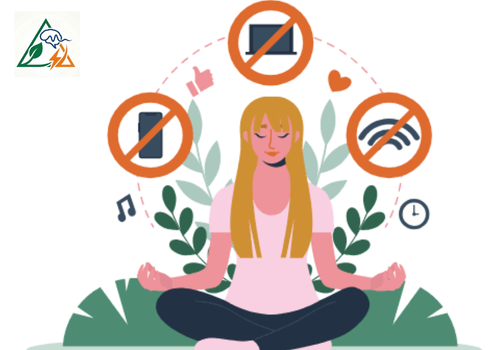
This is the part I wasn’t prepared for. Once the scrolling time genuinely dropped, I had all this extra time sitting there, and no plan for it. The first week or so, I mostly just felt restless, like something was missing, reaching for my phone out of pure habit and finding it in the other room where I’d banished it.
Started reading again, actual books, something I used to do constantly and had quietly stopped without noticing when it happened. Also, less impressively, spent a fair amount of that reclaimed time just staring at the ceiling doing nothing in particular, which felt uncomfortable at first in a way I didn’t expect. Turns out I’d forgotten how to just sit with unstructured time without immediately filling it with something.
A Specific Bad Night, For Honesty’s Sake
There was one night, maybe five weeks in, after a genuinely stressful day at work, and I broke every single rule I’d set for myself. Phone back in the bedroom. Two hours of mindless scrolling, well past midnight, the exact pattern I’d worked to dismantle. Woke up the next day feeling awful, both from the lack of sleep and this weird sense of having undone something.
What I didn’t do, which felt like actual progress even though the night itself was a total failure, was spiral about it or decide the whole project was pointless. Just moved the charger back to the kitchen the next evening and kept going. Old me would have taken that one bad night as proof I couldn’t do this and quietly given up entirely.
The Social Stuff Got Complicated
Here’s a thing nobody really prepared me for — cutting back on social media wasn’t purely a mental health win; it had actual social costs too, which I hadn’t fully considered going in. Missed a friend’s pregnancy announcement for almost two weeks because I wasn’t checking Instagram the way I used to, and found out secondhand from someone else instead. Felt genuinely bad about that, and a little embarrassed.
Had to figure out a middle ground eventually. Still check things, just not constantly — more like a deliberate ten minutes once a day instead of the compulsive dozens of random check-ins I used to do. Doesn’t feel perfect. Still occasionally miss things. But it’s a lot better than either extreme — the six-hour scroll or the total blackout that made me feel disconnected from actual people I care about.
What Actually Changed, As Far As I Can Tell
The anxious, jittery feeling I used to get without really noticing its source — I think a decent chunk of that was just from the constant low-grade stimulation, notifications, comparison, doom-scrolling news that made everything feel urgent and threatening even when it had nothing to do with my actual life. That specific static feeling got quieter, not gone, but quieter.
Sleep got better too, though I’d already been working on that for other reasons, so I can’t cleanly credit the digital detox stuff alone. Probably some overlap there I can’t fully untangle.
I also just felt more present in normal moments — dinner with my family, a walk, whatever — instead of half-present with a phone always somewhere in reach, pulling a piece of my attention even when I wasn’t actively using it. That one surprised me the most, honestly. I hadn’t realized how much of my attention the phone was quietly taking even while sitting untouched in my pocket.
The Apps I Didn’t Expect to Be a Problem
Everyone talks about Instagram and TikTok like they’re the whole story. For me, the sneakier one was actually a news app, one I’d downloaded years ago thinking it made me a responsible, informed adult. Checked it constantly, dozens of times a day, mostly headlines about things I had zero ability to influence or change. Didn’t feel like scrolling in the same way social media does. Felt productive, almost virtuous. Turns out it was doing the exact same thing to my nervous system, just dressed up better.
Cutting that one back mattered more than I expected. Went from checking it constantly to twice a day, morning and evening, set times instead of compulsive dips throughout. The actual information I absorbed didn’t meaningfully change. What changed was not carrying a low hum of manufactured urgency around in my chest all day about things happening a thousand miles away that I had no actual role in.
A Weekend I Tried Going Fully Offline
Once the smaller changes had settled in, maybe two months into all this, I tried something bigger — a full weekend with the phone essentially off, just emergency-only, stashed in a drawer. Told a few people in advance in case something urgent came up, then just didn’t touch it for about forty-eight hours.
The first several hours were genuinely uncomfortable. Kept reaching for a pocket that had nothing in it, phantom-limb style. By Saturday afternoon that faded and something shifted — time felt different, slower somehow, in a way that’s hard to describe without sounding like a wellness brochure, but it was real. Read most of a book. Actually talked to my husband during meals instead of both of us half-present with phones nearby. Went for a long walk without a podcast or music, just walking, which I hadn’t done in years, apparently.
Didn’t turn this into a weekly ritual, if I’m honest. Tried it again the following month and it was harder the second time, more resistance, less magic. Did it maybe four times total over about six months. Each one felt worth it, but I never built it into something regular the way the smaller daily changes became.
What My Kid Noticed, Which Hit Differently Than Anything Else
My daughter, at some point during all this, asked why I was “always on my phone” during a normal evening, completely unprompted, not even in a pointed way, just a genuine kid question. I remember the specific moment because it landed harder than any screen time app or article ever had. I hadn’t thought of myself as someone who was “always on my phone.” Apparently that’s exactly how I looked from a seven-year-old’s perspective.
That question did more to motivate the whole project than the original six-and-a-half-hour number had. Started being more deliberate about phone-free chunks specifically during time with her — dinner, bath time, the bedtime routine. Not perfect about it, still slip sometimes, but noticeably better than before that particular gut-punch of a question.
The Notifications I Finally Turned Off
Took embarrassingly long to realize how much of the problem was just notifications constantly pulling my attention, even during moments I wasn’t actively trying to use my phone. Went through, app by app, and turned off almost everything except actual calls and texts from real people. No app badges, no red dots demanding attention, no “someone liked your post” buzzing my pocket every few minutes.
This felt like a bigger change than I expected from something so passive. Without the constant pull of notifications, checking the phone became something I actively chose to do instead of something that kept interrupting me. Small distinction, big practical difference. I stopped being reactive to a device buzzing at me approximately every four minutes, all day, every day, which I hadn’t fully registered as exhausting until it stopped happening.
Where I Still Struggle, Because This Isn’t a Tidy Success Story
I want to be honest that I haven’t become someone with an effortless, healthy relationship with my phone. Work stress still sends me back to old patterns more than I’d like. Late at night, especially on nights I can’t sleep, the temptation to just grab it and scroll is still strong, and I don’t always resist it. My screen time number now hovers somewhere around two and a half to three hours most days, which is a real improvement from six and a half, but it’s not some impressively low number either, and I’ve stopped pretending I’m aiming for one.
I think there was a version of this project, early on, where I wanted a clean transformation story — before, six and a half hours of mindless scrolling; after, some minimal, disciplined relationship with technology. That’s not really what happened. What happened was messier, slower, with real setbacks, and I think that’s a more honest thing to say than pretending otherwise.
The Tools I Actually Used, None of Them Fancy
Didn’t buy anything special for any of this, which surprised me a little given how many “digital wellness” products exist now claiming to solve exactly this problem. Used the phone’s own built-in screen time settings, which are free and already sitting there, mostly ignored, on basically every phone at this point. The folder trick for burying apps cost nothing. The alarm clock I’d already bought months earlier for the sleep stuff did double duty here too.
I did briefly consider one of those lockbox gadgets you set a timer on to physically prevent yourself from grabbing your phone; I saw ads for one constantly for a few weeks. Never bought it. Felt like solving a self-control problem by buying more stuff, which felt a little backwards given the whole point of this was reducing consumption, not adding another purchase to the pile.
What I’d Tell Someone Starting This
Don’t do the dramatic delete-everything purge I tried first. It felt satisfying for about a day and then collapsed entirely by day five. One small, specific change, given a few weeks to actually settle, worked far better than the sweeping gesture. Learn why magnesium is often discussed for sleep support and what evidence exists for its effectiveness.
Notice what’s actually eating your time before assuming you already know. I would have guessed Instagram was my biggest problem going in. The news app turned out to matter just as much, maybe more, and I never would have caught that without actually looking at the numbers.
Expect setbacks and don’t treat them as proof of failure. That one bad night, five weeks in, felt like everything unraveling in the moment. It wasn’t. It was one night. The pattern across weeks mattered more than any single lapse.
FAQs
What’s the best way to start a digital detox? For me, starting with one specific change — no phone in the bedroom — worked far better than deleting everything at once, which I tried first and abandoned within four days.
How long does it take to notice a difference? The evening quietness showed up almost immediately once the phone was out of the bedroom. The bigger, harder-to-articulate stuff — feeling less jittery, more present — took closer to five or six weeks to feel consistent.
Should I delete social media apps entirely? Deleting everything at once didn’t work for me personally. Adding friction, like moving apps off the home screen, worked better than an all-or-nothing approach.
Will a digital detox make me miss out on things socially? Honestly, yes, at least for me — I missed a friend’s pregnancy announcement for weeks because I wasn’t checking as constantly. Finding a middle ground, a deliberate check-in instead of total avoidance, worked better than either extreme.
What if I relapse and go back to old scrolling habits for a night? Happened to me: a genuinely bad night about five weeks in. What mattered was not treating it as proof the whole thing failed, and just starting again the next evening instead of giving up.
Do screen time limits on your phone actually work? Not on their own, for me — I ignored the limit notification every single time for two weeks straight. What worked was adding physical friction, like burying the app in a folder, rather than relying on a notification I could dismiss instantly.
Can too much screen time actually affect mental health? In my own experience, the constant low-grade stimulation seemed connected to a jittery, anxious feeling I hadn’t clearly traced back to my phone before. That’s just my own pattern though, not a clinical claim, and if screen use feels tied to something more serious for you, that’s worth bringing to an actual professional.
Do full offline weekends actually help, or is a small daily change enough? Both mattered for me, honestly, in different ways. The daily change — no phone in the bedroom — did the most consistent, ongoing work. The occasional full offline weekend felt like a deeper reset, but I never managed to make it a regular habit the way the smaller daily one became.
Is it normal to still struggle with this after months of trying? For me, yes. My screen time dropped significantly but didn’t land anywhere close to minimal, and I still slip back into old patterns during stressful stretches. I think expecting a permanent, effortless fix set me up for disappointment early on more than the actual struggle did.
Conclusion
I didn’t expect a random screen time number on a Tuesday to change anything, and for the first week of my dramatic all-or-nothing attempt, it didn’t; it just made me miserable and TikTok-deprived for four days before I gave up. What actually worked was smaller, slower, and a lot less impressive-sounding than the version of this I originally pictured.
One change at a time. Real setbacks along the way, including a full relapse night I’m not proud of. But quieter evenings, more actual reading, and a lot less of that static, jittery feeling I’d stopped even noticing as unusual. If your screen time number would embarrass you the way mine did, it might be worth picking just one thing to change first, rather than trying to fix everything at once the way I did originally.
[…] Digital Detox Tips for Better Mental Health on Morning Routine Ideas to Reduce Stress and Anxiety […]
[…] Morning Routine Ideas to Reduce Stress and Anxiety on Digital Detox Tips for Better Mental Health […]