

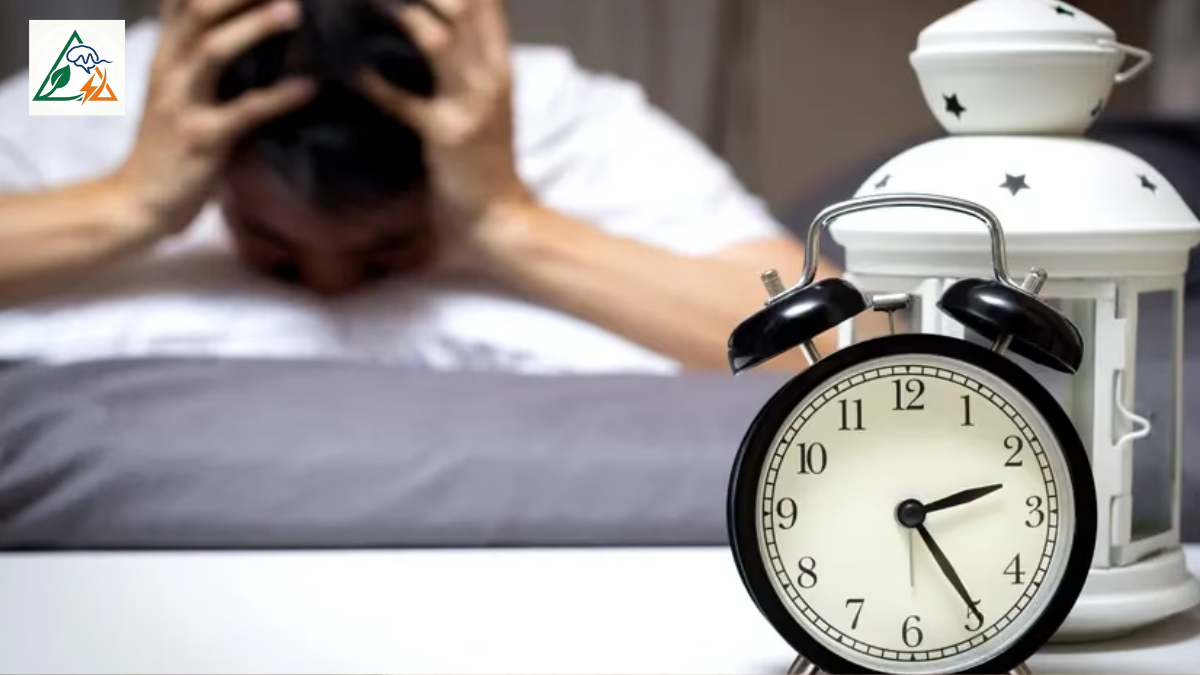
Eight hours. I know because I tracked it, obsessively, for weeks, watching a little graph on my phone tell me I’d slept exactly as long as every article said I should. And still, most mornings, I woke up feeling like I’d been hit by something. Not groggy in a normal “just woke up” way. Genuinely, bone-tired, the kind where getting out of bed felt like a negotiation I usually lost the first two rounds of.
Why am I tired after 8 hours of sleep? That was the question I kept typing into my phone at 6am, half-annoyed, half-desperate, like the internet was going to hand me a diagnosis before I’d even had coffee.
I want to say upfront: I’m not a doctor, I don’t have a sleep study behind this, and if you’re dealing with something similar, please actually talk to a doctor rather than treating this as diagnostic. This is just what I went through trying to figure out why eight hours wasn’t doing what it’s supposed to do, what I tried, what helped, and what turned out to be a complete waste of money.
The Google Rabbit Hole I Fell Into
The first thing I did, obviously, was Google it at 2am on a particularly frustrating night. Which, in hindsight, was probably part of the problem — lying in bed scrolling through sleep articles instead of, you know, sleeping. The search results ranged from “you might have sleep apnea” to “your mattress is too old” to one deeply unhelpful article that just told me to “listen to my body,” which, cool, thanks, my body was telling me it was exhausted; that’s why I was googling this in the first place.
I spent a solid two weeks convinced I had sleep apnea because one article listed a bunch of symptoms and I matched maybe three of them, loosely. Didn’t have it, as it turned out, once I actually got that checked properly. But that’s genuinely where my brain went first, because the internet is very good at making you think the worst-case scenario is definitely you.
What My Actual Sleep Looked Like, Once I Paid Attention
I started wearing a cheap sleep tracker, mostly out of desperation, and what it showed me was kind of eye-opening. I was “asleep” for eight hours, technically. But I was waking up — briefly, not even remembering it most mornings — somewhere around six or seven times a night. Not full wake-ups where I’d check my phone. Just these tiny fragmenting moments that apparently added up to genuinely broken sleep even though the total hours looked fine on paper.
That was the first real clue. Eight hours of fragmented sleep, it turns out, is not the same thing as eight hours of actual sleep, and nobody had ever explained that distinction to me before. I’d always assumed hours were hours. According to a Johns Hopkins Medicine study, interrupted sleep hurts mood more than simply getting fewer hours of uninterrupted sleep — which tracked with what my own tracker data was showing me.
Why Am I Tired After 8 Hours of Sleep: The Stuff I Tried That Didn’t Work
Bought a new pillow. Expensive one, the kind with a thirty-day trial that everyone on the internet swears by. Didn’t do anything noticeable. Bought blackout curtains, actually useful for a different reason (my room does get genuinely brighter earlier than I’d like), but didn’t fix the core tiredness thing.
Tried melatonin for about two weeks. Made me groggy the next morning in a different, worse way — like regular tired plus a weird foggy hangover feeling stacked on top. Stopped that pretty quickly. Also tried one of those white noise machines, which honestly might have helped a little; hard to say for sure, but definitely wasn’t the fix on its own.
Cut caffeine after noon, which I’d read was supposed to be a big one. Did basically nothing that I could tell, though I’ll admit I wasn’t the most disciplined about actually sticking to it for more than about ten days before old habits crept back in. Want to make your home workouts more consistent? Try this simple 15-minute routine for beginners.
What Actually Turned Out To Be Going On, For Me Specifically
I finally brought this up properly with my doctor, not just mentioned it in passing as I had at a previous appointment and gotten a vague “try to sleep more” response that obviously hadn’t helped since I was already sleeping enough hours. This time I brought the tracker data, the whole “I wake up six or seven times a night” thing, and she took it more seriously once I had something concrete to show her.
Turned out I had some pretty significant stress showing up specifically as light, fragmented sleep — not the kind of stress that keeps you awake staring at the ceiling, but the kind that apparently messes with sleep quality without you consciously noticing while it’s happening. She also flagged that my room temperature was probably too warm, something I genuinely never thought mattered as much as it apparently does.
I want to be really clear that this was my specific situation, and yours might be something completely different — a sleep disorder, an underlying health issue, medication side effects, genuinely anything. This isn’t a universal answer. It’s just what was actually going on with me.
What Helped, Once I Knew What I Was Actually Dealing With
Dropping my room temperature by a few degrees made a bigger difference than I expected from something that simple. I’d always kept it around what felt “comfortable” to fall asleep in, not realizing that comfortable-for-falling-asleep and optimal-for-staying-asleep aren’t necessarily the same temperature.
The stress piece was harder and slower. I started actually doing something with the anxious spiral my brain would do right before bed — writing it down, literally just a messy list of whatever was looping in my head, instead of trying to will myself to stop thinking about it. Sounds almost too simple, and for the first week I was skeptical it was doing anything at all. By week three or four, my tracker data started showing fewer of those fragmenting wake-ups, which was the first actual evidence I had that something was working rather than just me hoping it was.
I also stopped doing the thing where I’d check my phone if I woke up briefly in the night. I used to glance at the time, sometimes scroll for a minute if I couldn’t fall back asleep immediately. Cutting that out entirely took real effort — genuinely felt like breaking an addiction some nights — but seemed to help me fall back into deeper sleep faster after those brief wake-ups instead of fully rousing myself with a screen.
The Night Everything Clicked
There was one specific night, maybe five weeks into all this, where I woke up, and instead of reaching for my phone out of habit, I just lay there, did a few slow breaths, didn’t check the time. Fell back asleep faster than I thought possible. Woke up the next morning and, for the first time in what felt like months, didn’t feel like I’d been run over. Just felt normal. Tired in the regular “it’s morning” way, not the bone-deep exhausted way I’d gotten used to.
I actually texted my sister about it because it felt like a big enough deal to mention, which in hindsight is a pretty low bar for excitement, but that’s genuinely where I was at that point. If you are trying to lose belly fat after 40, learn about sustainable habits that support overall health and fitness.
The Mistakes I Made Along the Way
Threw money at this way too fast, honestly. The pillow, a weighted blanket that did nothing for me personally even though everyone raves about them, a fancy sleep supplement blend that mostly just gave me weird dreams and cost more than it should have. If I’d talked to my doctor first instead of googling and buying things for two months, I probably would have saved both time and money.
I also ignored my own tracker data for way too long. It was telling me something useful — the fragmented wake-ups — and I kept looking at the “8 hours total” number and assuming that meant everything was fine, when the actual useful information was buried underneath that headline number the whole time.
And I underestimated how much the stress piece mattered. I kept looking for a physical fix — a better pillow, a cooler room, less caffeine — and didn’t seriously consider that my brain running anxious loops right before bed might be the bigger contributor, probably because that felt like a harder problem to actually solve than just buying a new pillow.
How This Was Actually Affecting My Life, Not Just My Mornings
It wasn’t just waking up tired, though that was bad enough. It bled into everything. I’d sit in a 10am meeting and genuinely lose the thread of what someone was saying, not because I wasn’t trying to pay attention but because my brain just felt like it was moving through syrup. Started drinking way more coffee than I used to, which I now suspect was partly making the sleep thing worse, a nice little cycle where being tired made me drink more caffeine, which probably didn’t help me sleep better that night.
There was one specific Tuesday I remember clearly because I actually fell asleep, briefly, at a red light. Not dangerously long, maybe two or three seconds, but enough that the car behind me honked and I jolted awake with my heart pounding, genuinely scared. That was the moment this stopped being an annoyance and started being something I took seriously enough to actually do something about instead of just complaining about it to my husband every morning.
My work started slipping a little too, in small ways — missing details in emails I would normally have caught, forgetting things I’d normally remember without effort. Nothing catastrophic, but enough that I noticed it myself before anyone said anything, which felt worse somehow than if someone else had pointed it out first.
The Appointment Where I Finally Said Something Real
I’d mentioned being tired to my doctor before, in that vague way you do at the end of an appointment when you’re already halfway out the door. “Oh, also, I’ve been really tired lately.” Got a nod, a “make sure you’re sleeping enough,” and that was it. In fairness to her, that’s a pretty unhelpful thing to bring up with thirty seconds left on the clock and no actual information behind it.
The appointment that actually helped, I scheduled specifically for this, brought the tracker data printed out (probably overkill, but I wanted her to take it seriously), and described the falling-asleep-at-the-red-light thing specifically because that felt like the detail that would actually communicate how bad it had gotten. It worked. She asked a lot more questions than the previous vague conversation had prompted, and that’s when the stress and room temperature stuff came up.
Things I Wish I’d Tracked From the Start
Looking back, I wish I’d been logging more than just sleep hours from the beginning. Caffeine timing, for one — I only started paying attention to when I was drinking coffee partway through this whole process, and I think an earlier connection between “drank coffee at 3pm” and “worse sleep that night” would have saved me some trial and error.
Stress level, too, even just a rough daily rating, would have helped me connect the dots between bad days at work and worse nights of sleep much sooner than I actually did. I was treating sleep and daytime stress as two separate problems for way longer than made sense once I actually looked at the pattern side by side.
Screen time before bed is another one. I assumed I wasn’t that bad about it, and then actually checked my phone’s screen time report one week and was genuinely embarrassed by how much scrolling was happening in the hour before I supposedly “went to sleep.” That gap between what I assumed I was doing and what I was actually doing was bigger than I expected.
What My Husband Noticed, Which I Hadn’t
He mentioned, maybe a month into all this, that I’d been noticeably more irritable in the mornings for a while before I even brought up the tiredness thing to him directly. I hadn’t clocked that connection myself — I thought I was just generally crankier lately for unrelated reasons, work stress or whatever. He’d apparently noticed the pattern before I consciously had, which was a little humbling to hear, honestly, that someone else saw it before I did.
Once things started improving, he mentioned that too, unprompted, which felt like a genuinely good sign that the change wasn’t just something I was imagining or wanting to be true.
What I’d Tell Someone Dealing With This Right Now
Track your sleep for at least a couple of weeks before assuming you know what’s going on. The total-hours number can genuinely hide the real problem, the way it did for me.
Bring actual data to your doctor if you can. My first vague mention of “I’m tired all the time” got a vague response. Showing up the second time with specifics got taken a lot more seriously.
Don’t assume it’s the mattress or the pillow before ruling out other things. I spent real money there first, and it wasn’t where my actual problem was.
And if something about your situation feels like it might be more than stress or habits — loud snoring, gasping during sleep, extreme daytime sleepiness despite good sleep habits — please get that checked out properly rather than assuming, like I initially did, that it’s probably nothing.
FAQs
Why would I still be tired after a full 8 hours of sleep? For me, it turned out I was waking up repeatedly through the night without remembering it, so the total hours looked fine while the actual sleep quality wasn’t. That’s just my situation though — there are a lot of possible reasons, including ones worth ruling out with a doctor.
Can stress cause tiredness even with enough sleep? In my case, yes, more than I expected. It showed up as fragmented, lighter sleep rather than obvious insomnia, which I didn’t realize was even a pattern until I saw it in tracker data.
Does room temperature really affect sleep quality? It made a noticeable difference for me once I lowered it a few degrees. I hadn’t taken this seriously before, assuming “comfortable” and “optimal for sleep” were the same thing.
Should I get a sleep study if I’m tired despite sleeping 8 hours? I didn’t end up needing one in my case, but I’d talked myself out of even asking about it for a while, assuming it was probably nothing. If your doctor suggests it or if you have symptoms like snoring or gasping at night, it’s worth taking seriously rather than dismissing.
Did a sleep tracker actually help? For me, yes, mainly because it gave me something concrete to bring to my doctor instead of a vague “I’m tired” complaint. I wouldn’t say the device fixed anything on its own, but the information from it mattered.
How long did it take to feel better? Around five weeks before I had a night that genuinely felt different, and a bit longer before that became a consistent pattern rather than an occasional good night.
Is melatonin worth trying? Didn’t work well for me personally — left me foggy the next morning in a different way. Everyone’s response seems to vary a lot, so I can’t say it’s universally unhelpful, just that it wasn’t the answer for my situation.
Could caffeine be making my tiredness worse? Possibly, in my case. I noticed a pattern between afternoon coffee and worse sleep once I actually started tracking timing, though I can’t say for certain it was the main driver versus one factor among several.
Is it normal to not remember waking up during the night? Apparently so, at least based on my own tracker data and what my doctor explained. I had no memory of most of those brief wake-ups, which is part of why I didn’t realize fragmented sleep was even happening until I saw it logged.
Conclusion
I spent way too long assuming eight hours meant I’d done everything right and the tiredness must be some mystery I couldn’t solve. Turned out the number on the tracker was hiding the actual problem the whole time, and once I dug into what those eight hours actually looked like, things started making a lot more sense.
I’m not going to pretend I’ve got this perfectly figured out even now. Some nights still aren’t great. I still occasionally reach for my phone at 3am out of old habit before catching myself. But I know what’s actually going on instead of just guessing at 2am with a search bar, which is a genuinely different feeling than the months of googling symptoms and half-convincing myself I had something serious based on three loosely matching bullet points on some article.
If eight hours isn’t working for you either, it might be worth looking past the total number and actually at what’s happening during those hours — and worth bringing real specifics to a real doctor, rather than doing what I did for way too long, which was just quietly assuming it would sort itself out eventually.
[…] Why Am I Tired After 8 Hours of Sleep? on Fat-Burning Workout for Beginners at Home: My Honest 15-Minute Routine […]
[…] It never actually saved time. It just made the workout feel harder, and my knees feel worse. If you regularly wake up tired despite getting enough sleep, explore some possible reasons behind […]