

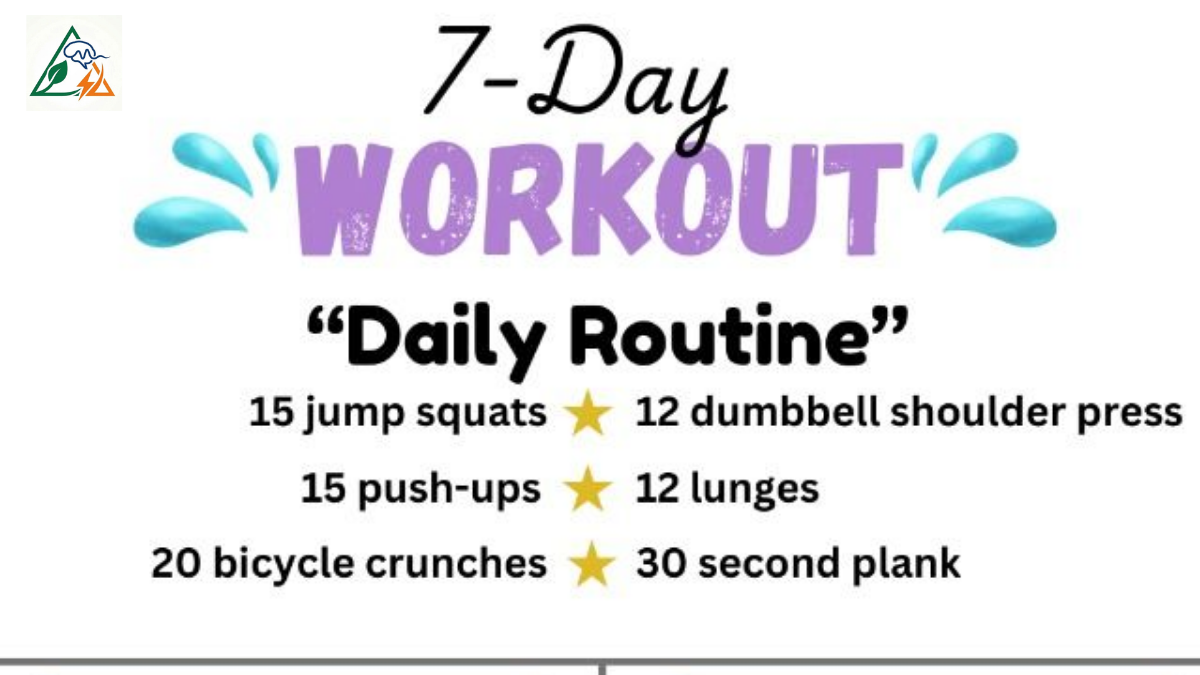
Saw one of those “7-day challenge” graphics on Instagram, the kind with a different exercise listed under each day, clean little icons; it looked doable enough that I screenshotted it before I could talk myself out of trying. Hadn’t worked out in any consistent way in years at that point. Figured seven days was short enough that I couldn’t come up with a decent excuse to skip it entirely.
That screenshot turned into an actual 7-day home workout, done in my living room with zero equipment and zero idea what I was getting myself into.
I’m not a trainer, this isn’t a medical recommendation, and if you have any existing health conditions or haven’t exercised in a long time, check with a doctor before starting something like this. What follows is just what actually happened over seven real days, including the day I almost quit and the muscle I didn’t know existed until it started screaming at me on day three.
7-Day Home Workout Challenge: Day One, Which Went Better Than Expected
Twenty minutes, bodyweight stuff — squats, modified push-ups, some kind of standing core thing, a plank I could barely hold for fifteen seconds. Felt genuinely good afterward, that slightly smug endorphin feeling of having actually done the thing instead of just planning to. Told my husband I was “doing a thing” this week, vaguely, not wanting to commit too publicly in case I quit by Wednesday, which, given my track record with these kinds of plans, felt like a real possibility.
Went to bed feeling accomplished. Naive, in retrospect, about what day two had waiting for me.
Day Two, Where Reality Set In A Little
Not sore yet, that comes later — but definitely more tired than I expected from twenty minutes of exercise the day before. Pushed through anyway, similar structure, slightly different moves — lunges instead of squats, some kind of side plank variation I could not hold correctly no matter how many times I adjusted.
This was also the day I realized I’d been holding my breath through most of the harder moves, which apparently is a thing beginners do without noticing, and which made everything feel about twice as hard as it needed to. Fixed that mid-workout once I caught myself, breathed properly for the rest of it, and immediately felt less like I was going to pass out.
Day Three, The Soreness Arrived
Woke up and genuinely groaned getting out of bed. Not dramatic, movie-worthy soreness, just that deep, unfamiliar ache in muscles I apparently hadn’t used properly in a long time. Glutes specifically, which surprised me — hadn’t expected squats and lunges to hit that hard two days later. According to GoodRx, this kind of soreness — known as DOMS — typically peaks 24 to 72 hours after unfamiliar exercise and is especially common in beginners, which lined up exactly with my timeline.
Almost skipped entirely. Sat on the edge of my bed for a genuinely embarrassing amount of time negotiating with myself about it. What got me moving was lowering the bar significantly — told myself I only had to do ten minutes, not the full twenty, and if I still hated it after ten, I could stop with zero guilt. Ended up doing the full session anyway once I’d started, but that lowered-bar trick is probably the single most useful thing I figured out the entire week.
Day Four, A Genuinely Bad Day
This was the day I actually wanted to quit, for real, not just the negotiating-with-myself kind of resistance from day three. Bad night of sleep beforehand, stressful morning at work, and by the time I got to the workout, I had nothing left in the tank. Did about half of it, sloppily, form falling apart on the last few reps of everything, and just stopped.
Felt like a failure in the moment. In hindsight, half a workout on a genuinely rough day is still something, and treating it as a personal failure rather than just an honest reflection of a hard day was probably the wrong way to think about it. Took me until later that evening to actually see it that way, though, sitting with a decent amount of guilt for a few hours first.
Day Five, Where I Adjusted Instead of Pushing Through
Learned something from day four’s collapse — cut day five’s session shorter deliberately, on purpose this time instead of by accident, maybe fifteen minutes instead of the full twenty, focused on moves I actually felt decent doing rather than forcing every single one from the original screenshot. Felt like cheating a little, if I’m honest, modifying the plan I’d committed to. Did it anyway.
Turned out to be exactly what I needed. Finished feeling accomplished again instead of defeated, which mattered more for staying in the game than sticking rigidly to a plan some Instagram graphic had laid out for a stranger, not for my specific Thursday.
Day Six, Genuinely Surprised Myself
Something shifted here; hard to pin down exactly what. The moves that had felt genuinely difficult on day one — the modified push-ups specifically — felt noticeably more manageable. Not easy, not by a long shot, but different, less like a struggle and more like actual effort I was capable of sustaining.
Held that fifteen-second plank from day one for almost forty seconds this time. Noticed it specifically, felt disproportionately proud of a number that would mean nothing to someone who’s been doing this for years, but meant something real to me at that exact point. Explore gentle, equipment-free exercises that can fit easily into a senior-friendly fitness routine.
Day Seven, The Last One
Went into the final day with more energy than I’d expected; honestly, some combination of relief that it was almost over and genuine momentum from the previous two decent days. Did the full session, no modifications this time; first time all week I’d completed the original plan exactly as screenshotted.
Didn’t feel like some dramatic transformation-photo moment at the end. Just felt like I’d done a thing I said I’d do, seven actual days, including the bad ones, which felt like more of an accomplishment than the workouts themselves in some ways.
What I Actually Learned From The Whole Week
The lowered-bar trick from day three saved the entire challenge, probably. Telling myself “just ten minutes” on the days I genuinely didn’t want to show up got me moving more reliably than any amount of willpower or guilt ever did.
Modifying the plan on day five instead of forcing the original version wasn’t cheating, even though it felt that way in the moment. A shorter workout I actually completed mattered more than a full one I would have abandoned halfway through out of frustration.
One genuinely bad day, day four, didn’t ruin anything. I’d worried it might, sitting there feeling guilty that evening, but by day five it was just a thing that had happened, not a pattern that derailed the whole week.
What My Body Actually Felt Like By The End
Sore, still, in a milder way than day three’s dramatic ache. More energy generally, noticeable by day five or six specifically, less of that afternoon slump I’d been dealing with for months before starting this. Didn’t lose any visible weight in seven days, wasn’t expecting to, and I’d be suspicious of any challenge promising visible results that fast.
What actually changed was smaller and, in a way, more useful than a number on a scale — I’d proven to myself I could show up for seven days in a row, including bad ones, which felt like real evidence rather than just intention.
What Happened After Day Seven
Didn’t stop, which honestly surprised me a little given my history with these kinds of plans. Kept going into an eighth day, then a ninth, loosely following the same structure but without the specific “challenge” framing anymore, just something I was doing now. About three weeks later I added a couple of minutes to each session. Nothing dramatic. Just building on what seven days had apparently started.
I don’t think the seven-day number itself is magic. I think it’s just short enough to feel achievable, which got me through the actual hard part — starting, and then not quitting on day four when I genuinely wanted to.
What the Actual Daily Structure Looked Like
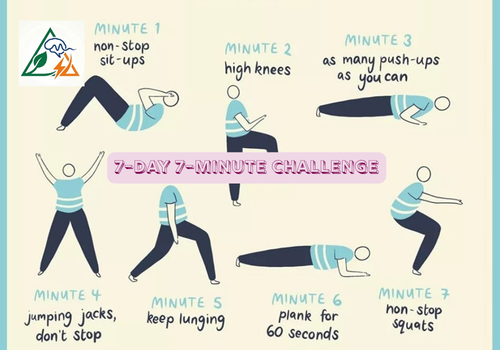
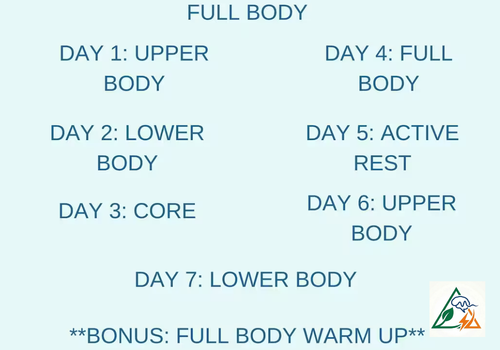
For anyone wondering what was actually in the screenshot I was following, roughly: each day was about twenty minutes, warm-up folded into the first few minutes rather than separated out, then a mix of five or six bodyweight moves done for a set number of reps or a timed interval, no rest days built in across the seven, which in hindsight was probably a mistake for a true beginner. My own body forced a de facto rest through the modified, shortened days four and five, even though the original plan hadn’t accounted for that at all.
Monday was squats, modified push-ups, a standing core move, and that fifteen-second plank attempt. Tuesday swapped in lunges and a side plank variation. Wednesday, the sore day, repeated a version of Monday’s moves at lower intensity, though I didn’t realize that was intentional programming until later — thought it was just coincidence that day three looked similar to day one. Thursday introduced some kind of glute bridge and a modified mountain climber, both of which I butchered the form on initially. Friday, my cut-short day, kept just three of the original five moves. Saturday brought back a slightly harder push-up variation. Sunday combined bits from the whole week into one longer session.
I’m not sharing this as some gold-standard program, honestly — it was just a free graphic from Instagram with zero context about who designed it or why. What I can say is that having something concrete and pre-decided removed a lot of the daily decision fatigue that I think kills most people’s home workout attempts before they start. I didn’t have to think about what to do each day. I just had to do whatever was already listed.
The Morning I Almost Didn’t Start At All
Before day one even happened, there was a solid week where I had the screenshot saved and just didn’t start. Kept telling myself Monday would be the day, then Monday would arrive, and I’d find a reason — too tired, too busy, I’ll start next week when things calm down, the same excuses I imagine most people cycle through before any new habit attempt.
What actually got me moving wasn’t some burst of motivation. It was genuinely just running out of excuses on a random Tuesday that wasn’t even supposed to be day one. Decided, somewhat arbitrarily, that Tuesday could just be day one instead of waiting for a symbolically “perfect” Monday. That small permission — it doesn’t have to start on the tidy day — mattered more than I expected going in.
A Conversation With My Sister Mid-Week
Texted my sister on day four, the bad day, mostly venting about how defeated I felt having only done half the workout. She pointed out, reasonably, that I’d still done more that day than I had on any day in probably the past year before this whole thing started. Half a workout was still, technically, a workout, compared to my actual baseline of zero.
That reframe helped more than I expected from a two-line text message. I’d been comparing myself to the idea of doing nothing genuinely, the plan, instead of to my own actual starting point, which was doing genuinely nothing at all before that Tuesday I finally started. Explore effective recovery habits that can help your body recover between workouts and keep you consistent.
What Surprised Me About My Own Motivation
I expected the hardest days to be the physically difficult ones — the actual soreness, the moves I couldn’t do well. Turned out the hardest days were the ones where nothing was physically wrong; I just didn’t feel like it — no clear external reason, just low motivation for no identifiable cause. Day six, oddly, despite being one of my best physical performances of the week, started with almost zero desire to do the workout at all. Did it anyway, mostly out of momentum from having already gotten five days in and not wanting to break the streak this close to the end.
That distinction — physical difficulty versus just not feeling like it — hadn’t occurred to me as two separate problems before this week. I’d always lumped “hard to work out” into one category. Turns out they need different solutions. The soreness days needed a lower bar. The low-motivation days mostly just needed me to start anyway and trust that momentum would carry the rest.
Food and Water, Which I Handled Badly All Week
I want to be honest that I didn’t think much about eating or hydration around these workouts at all, which in hindsight probably made some days harder than they needed to be. Did the day four collapse partly because of a genuinely bad night of sleep and stress, sure, but I’d also barely eaten anything before that session, coffee and not much else — which likely didn’t help my energy levels going in.
Started paying slightly more attention by day six and seven, having something small beforehand, water nearby throughout. Small adjustment, but noticeable — those last two days felt less like survival and more like actual capability, which I partly credit to finally treating the workout as something my body needed fuel for, not just willpower.
FAQs
Is a 7-day workout challenge actually effective for beginners? For me, the real value wasn’t physical transformation in seven days, which isn’t realistic anyway, but proving to myself I could show up consistently, including on a bad day. That momentum mattered more than any measurable fitness change in that short a window.
What if I can’t complete a full workout on a hard day? Happened to me on day four. I did about half, sloppily, and felt like a failure in the moment. In hindsight, a partial effort on a genuinely rough day is still something, and I wish I’d been kinder to myself about it at the time.
Is it okay to modify the workout plan halfway through? I did, on day five, cutting the session shorter and swapping in moves I actually felt capable of. Felt like cheating in the moment. Turned out to be exactly what kept me going instead of quitting entirely.
How sore should I expect to be as a beginner? For me, day three was the worst of it, a deep unfamiliar ache mostly in my glutes that genuinely surprised me. It eased up by days five and six without disappearing completely.
Should I keep going after the 7 days are done? I did, without really planning to, just kept the loose structure going and gradually added a bit more over the following weeks. I don’t think there’s anything special about stopping exactly at day seven if it’s working for you.
What equipment do I need for a beginner home workout challenge? None, in my case. Everything was bodyweight — squats, modified push-ups, planks, lunges. No equipment required, which was part of why it felt accessible enough to actually start.
What should I do if I want to skip a day entirely? I never fully skipped, but I came close on day three and day four both. What helped was lowering the bar instead of skipping outright — telling myself I only had to do ten minutes, which almost always turned into more once I’d actually started.
Does it matter what day of the week I start on? Not in my experience. I delayed starting for almost a week waiting for a “proper” Monday, and what actually got me going was just picking a random Tuesday instead of continuing to wait for the symbolically perfect day.
Should I eat before a beginner home workout? I didn’t think about it at all early in the week, and I think that contributed to how badly day four went. Having something small beforehand on days six and seven made a noticeable difference in how capable I felt during the session.
Conclusion
Seven days didn’t transform my body, and I’d be skeptical of anyone claiming theirs did either. What it actually did was smaller and, looking back, more useful — it proved I could commit to something short enough to feel doable and follow through, bad days included.
The version of this that worked for me wasn’t the pristine, unmodified plan from that original screenshot. It was the messier version, with a half-finished day four and a shortened day five, that actually got me to day seven and, unexpectedly, well past it.
If you’re staring at your own saved screenshot right now, still on the “I’ll start Monday” loop the way I was for a full week beforehand, my honest advice is to stop waiting for the symbolically perfect start date. Pick a random Tuesday. Do ten minutes if that’s all you’ve got that day. The plan surviving contact with a real, messy week mattered a lot more than the plan looking impressive on paper ever did.
[…] the difference between stretching and not stretching became noticeably obvious within a day or two. New to exercise? Try this simple 7-day home workout challenge to build a consistent fitness […]
[…] Small moment, but it stuck with me, this idea that what I was doing wasn’t some special senior-specific novelty, just ordinary movement that mattered at every age, adapted sensibly for where my body actually was right now. Get started with fitness at home using this simple seven-day workout plan for beginners. […]